
1. Introduction: The Day Machines Learned Art and Physics
The technology sector and the server farms of Silicon Valley never sleep, but the density and velocity of the breakthroughs over the past 24 hours (from the dawn of Feb 18 to the morning of Feb 19, 2026) have been so manic that even senior risk analysts and enterprise CTOs have been caught off guard. Until yesterday, the primary battlefield between tech titans was focused on refining Natural Language Processing (NLP) and mitigating hallucination rates. However, the news currently dominating the top-tier tech wires signifies a brutal strategic pivot in this cold war.
Artificial Intelligence is now aggressively breaking out of the isolated, static realm of "text generation" and invading the domains of "Multi-Sensory Perception," "Real-Time Execution," and "Identity Cloning." We are no longer merely instructing the machine; the machine is actively comprehending its physical environment, calculating the laws of physics, and flawlessly simulating our emotional nuances. In today's briefing, we autopsy the six critical events that will permanently alter the digital architecture of 2026, forcing executives to entirely rewrite their annual survival strategies.
2. Google's Bombshell: Native Music Generation Activated in Gemini
Last night, Alphabet (Google’s parent company) executed a quiet but economically devastating update: the injection of Native Music Generation directly into the core user interface of Google Gemini. Built upon a highly evolved, enterprise-grade iteration of the MusicFX architecture, this feature is no longer a beta experiment hidden in Google Labs. It is currently rolling out as a high-compute standard feature for Advanced and Enterprise tier users.
2.1. Multi-Track Composing and DAW Integration
What separates Google’s new arsenal from independent pioneers like Suno, Udio, or the audio streams in Midjourney V6, is its strictly professional, studio-centric approach. In legacy audio-generation platforms, a user inputted a prompt and received a "flat" audio file (a compressed MP3 or WAV). While excellent for casual end-users, this was an uneditable nightmare for professional audio engineers.
Gemini has obliterated this engineering bottleneck by delivering outputs as Multi-track Stems. This means when you command the Gemini engine: "Produce a dark cyberpunk track with a heavy synth-bass, fast electronic drums, and a melancholic violin solo at the 2-minute mark," Gemini doesn't just hand you a song. It delivers the files separated layer by layer. You can drag these stems directly into a Digital Audio Workstation (DAW) like FL Studio, Ableton, or Logic Pro. You can mute the drums, amplify the violin, alter the reverb on the bassline, or ask Gemini to re-render *only* the guitar track in a minor key. This microscopic level of modular control elevates Gemini from an entertaining toy to an unrivaled studio co-producer.
2.2. The Copyright Crisis and the Death of Stock Music
This innovation carries massive macroeconomic consequences for the entertainment industry. Video content creators, top-tier YouTubers, advertising agencies, and Indie Game Developers no longer need to purchase expensive licenses from stock music libraries (such as Epidemic Sound or Artlist). With Gemini natively integrated into the Google Cloud and YouTube ecosystem, creators can generate copyright-free, exclusive music perfectly synced to their video frames in seconds. This event pushes the Background Music (BGM) business model to the brink of extinction and presents IP lawyers with the unprecedented challenge of defining copyright laws for AI-generated audio stems.
3. Anthropic's Counterattack: Claude 4.7 Mini Shatters the Speed Barrier
Just as mainstream media attention was fixated on Google’s artistic maneuver, Anthropic triggered a technical earthquake early this morning. Without any prior marketing fanfare, they deployed Claude 4.7 Mini to their developer API. While Anthropic’s flagship "Opus" models have historically focused on deep comprehension, inductive reasoning, and analyzing 100-page PDFs, this "Mini" variant was engineered for one ruthless objective: Absolute Real-Time Speed.
3.1. Sub-50ms Latency and the Death of Robotic Pauses
In voice and text interactions with AI, the greatest destroyer of immersion and User Experience (UX) is a metric known as Time To First Token (TTFT)—the initial response latency. When humans converse, the biological brain takes an average of 200 to 250 milliseconds to process audio and begin formulating a reply. By utilizing a highly optimized Mixture of Experts (MoE) architecture combined with Model Distillation techniques, Claude 4.7 Mini has astonishingly crushed this latency down to under 50 milliseconds.
In the realm of network engineering, these numbers are terrifying. Claude now reacts to audio and text stimuli faster than the human nervous system. In a live voice conversation, you can interrupt Claude mid-sentence, and without any robotic lag, stutter, or re-processing delay, it will pivot the trajectory of the conversation exactly like a highly attentive human. The wall of robotic hesitation has officially fallen.
3.2. B2B Disruption: Transforming the Call Center Ecosystem
This blinding speed graduates Claude 4.7 Mini from a consumer chatbot into the undisputed primary candidate for deployment in Enterprise Call Centers and High-Frequency Trading (HFT) bots. Massive corporations utilizing platforms like Zendesk or Salesforce Service Cloud can now hire Claude voice agents instead of human operators. A voice generated with this response velocity, devoid of logical pauses, will be entirely indistinguishable from a human agent over a phone line. This is a direct, existential threat to millions of customer support jobs globally.
4. OpenAI Classified Leaks: The Death of GPT and the Birth of Pure Reasoning
Highly classified and incendiary reports leaking over the past 24 hours from OpenAI's security corridors—originating from sources close to CEO Sam Altman—indicate that the company is preparing for a fundamental rebranding and a radical shift in its foundational AI architecture. Apparently, the era of sequential naming conventions like GPT-5 and GPT-6 has reached its terminus.
4.1. The New Architecture: Transcending the GPT Prefix
Why this sudden strategic pivot? The answer lies in the nature of the current models. The prefix GPT stands for Generative Pre-trained Transformer; an architecture fundamentally built on statistics and probability—a machine designed to "predict the most likely next word." However, leaks from a project codenamed Orion (rumored to be the evolution of Project Q-Star) reveal that OpenAI’s next flagship is less of a simple language model and more of a "Pure Reasoning and Problem-Solving Engine." The marketing and engineering teams have realized that the GPT prefix is limiting, and they intend to shift public perception from a "know-it-all chatbot" to an Autonomous Reasoning Agent.
4.2. Absolute Focus on System 2 Thinking
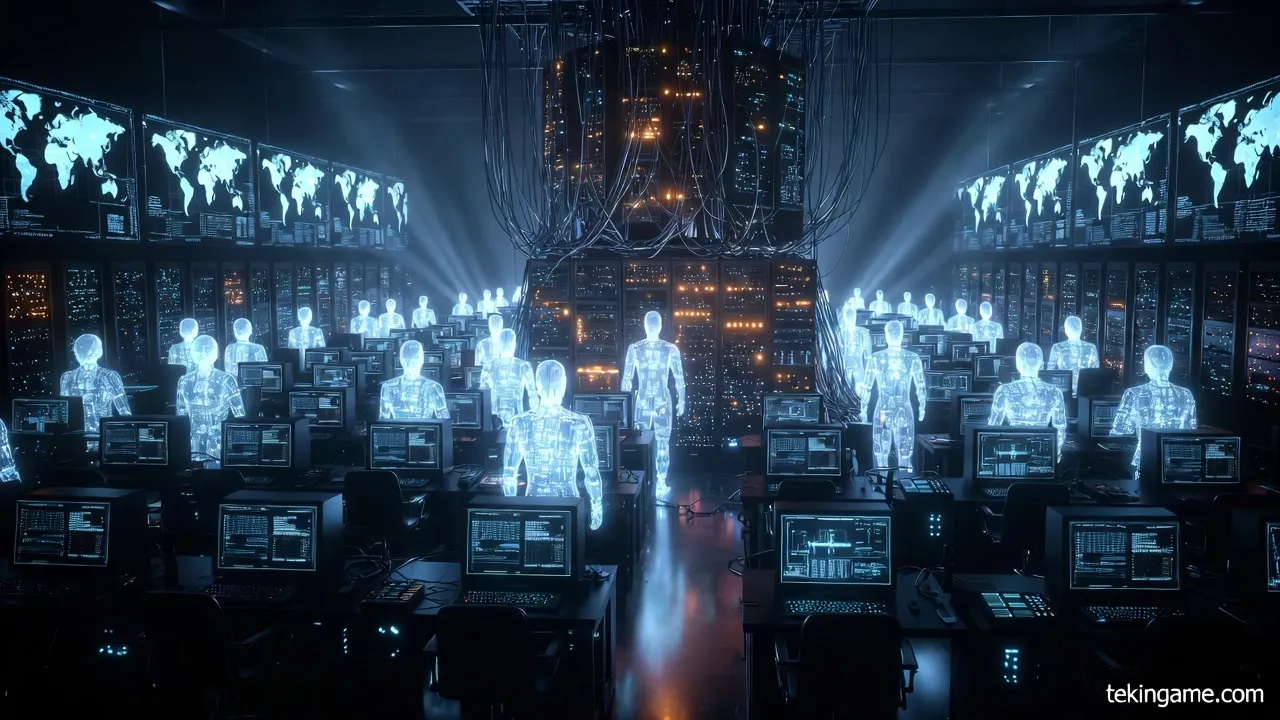
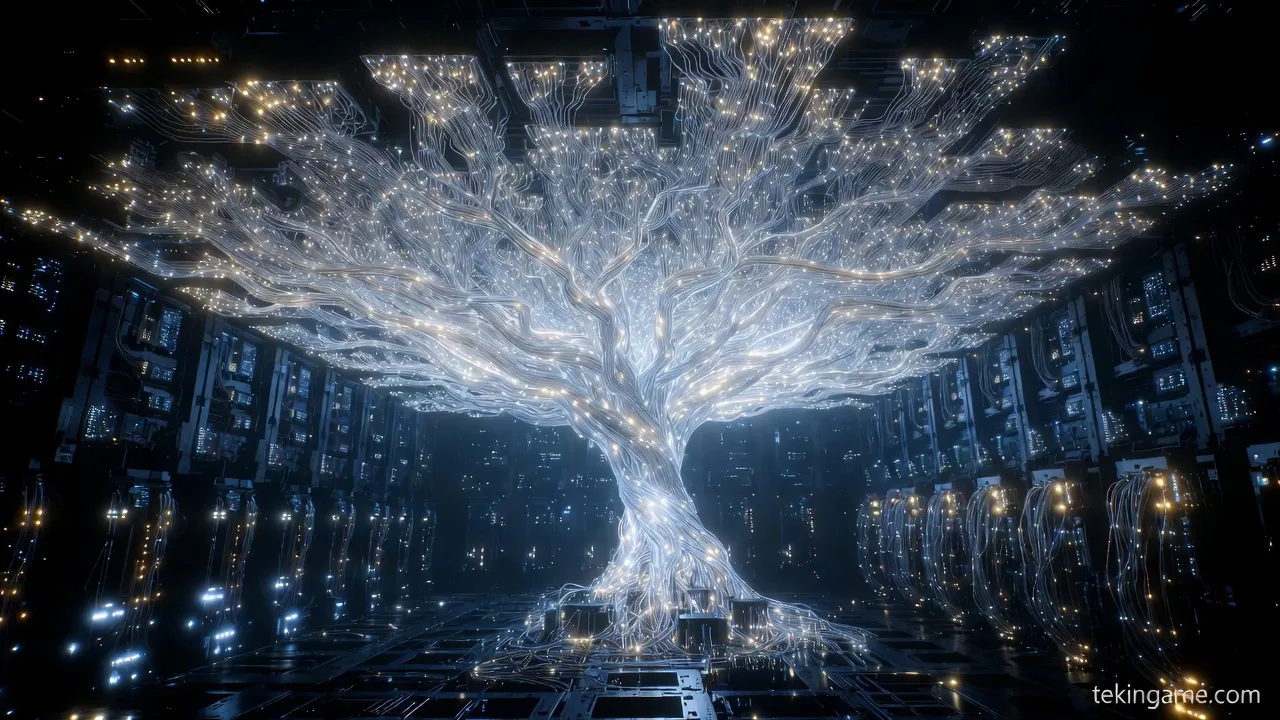
This new model is engineered on the paradigm of System 2 Thinking (slow, deliberate, logical reasoning). Unlike current models that begin typing immediately upon receiving a prompt, Orion pauses. Before providing an answer—especially for complex programming architecture, quantum physics, or financial forecasting—it simulates thousands of invisible scenarios in the background using a "Tree of Thoughts" technique. It generates dozens of solutions, actively debates with itself, identifies its own logical fallacies and code bugs (Autonomous Self-Correction), prunes the errors, and only then prints the refined, flawless final output. This architecture confirms that the "Compute Bottleneck" in 2026 is rapidly shifting from the Training phase to the Inference phase.
5. Nvidia's Hardware Revolution: The Rubin R100 Architecture for Edge Inference
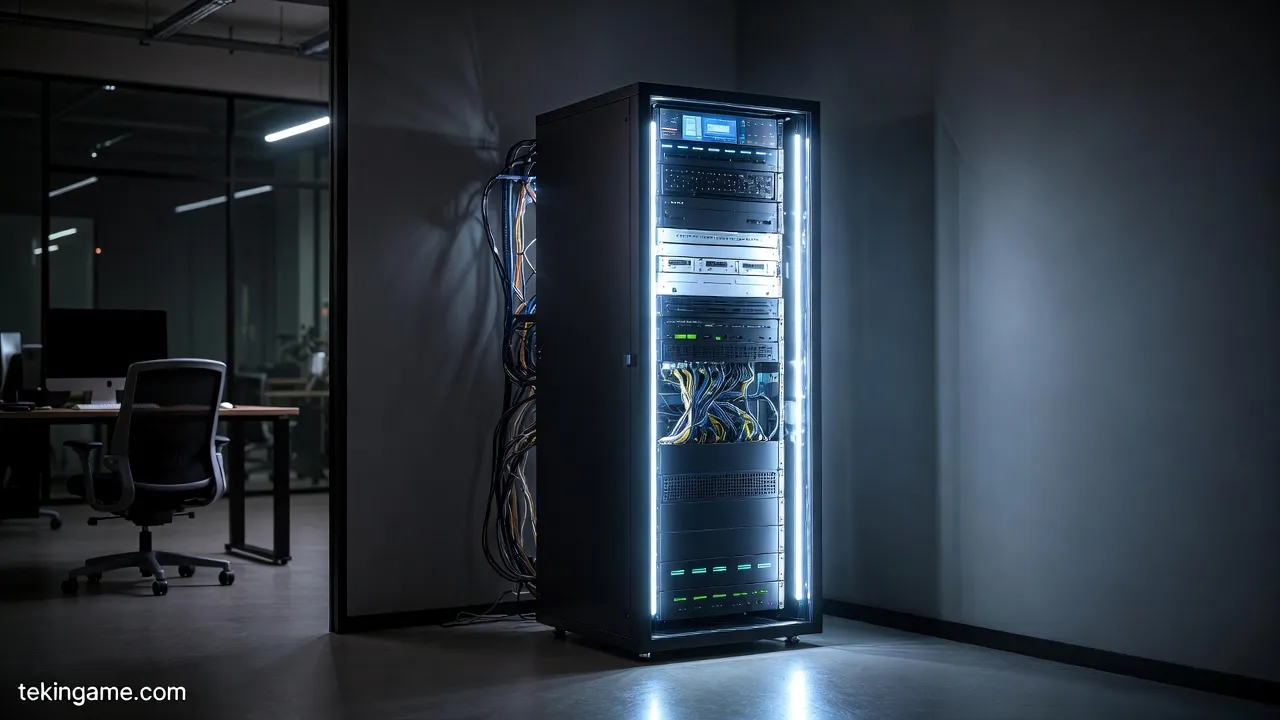
While software companies waged war over algorithms, on the hardware frontline, Nvidia CEO Jensen Huang took the stage hours ago to unveil the Rubin R100 processors. Unlike the monstrous Blackwell series (like the B200) which were built exclusively for multi-billion-dollar hyperscale datacenters to train Foundation Models, the Rubin architecture executes a completely different strategy. These chips are engineered strictly for Edge Inference.
5.1. Micro-Datacenters for On-Premise Networks
Until today, if a mid-sized engineering firm, a highly equipped hospital, or an automated factory wanted to leverage advanced LLMs, they were forced to transmit their data via APIs to the cloud servers of Microsoft Azure or Google Cloud. This incurred massive bandwidth costs and severe latency. Nvidia’s R100 chips change the rules of the game. Featuring a Low-Power Architecture, these chips allow corporations to deploy the power of a micro AI datacenter in a server rack the size of a household refrigerator, directly on their premises. Heavy models can now run entirely offline.
5.2. Data Sovereignty and the Escape from the Cloud
This announcement is a historic, strategic victory for cybersecurity and Data Privacy compliance (such as GDPR). Investment banks holding highly confidential financial data, hospitals processing patient records, and military-security agencies can now train and utilize the most powerful AIs of 2026 on their sensitive data in a completely Air-gapped environment, free from the fear of cloud data breaches. With Rubin, Nvidia has decentralized AI power.
6. Apple & Motorola: Siri Pro Now Comprehends Physics and Object Density

Perhaps the most bizarre, cyberpunk, and terrifying news of the past 24 hours was the confirmation of a highly classified joint patent between Apple and Motorola’s advanced hardware sensor division. This strategic alliance will result in a jaw-dropping upgrade to Apple’s AI, dubbed Siri Pro, in upcoming iOS and visionOS ecosystems—bridging Artificial Intelligence with the laws of physical reality.
6.1. Merging Machine Vision with Muscular Vibration Analysis
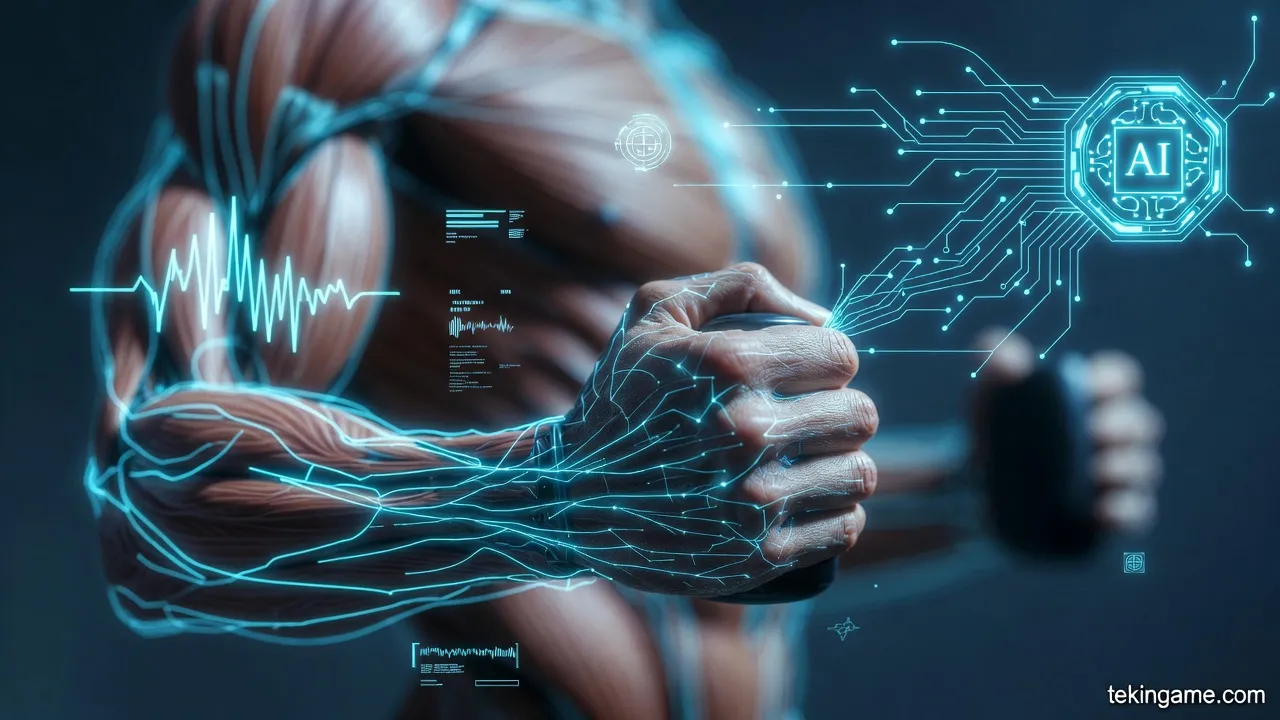
According to the leaked patent documents, future iPhones and Apple Mixed Reality headsets, utilizing a combination of LiDAR sensors, novel optical spectroscopy, and ultra-high frame-rate cameras, will be able to estimate the mass, density, and weight of physical objects simply by looking at them through the camera lens! But how?
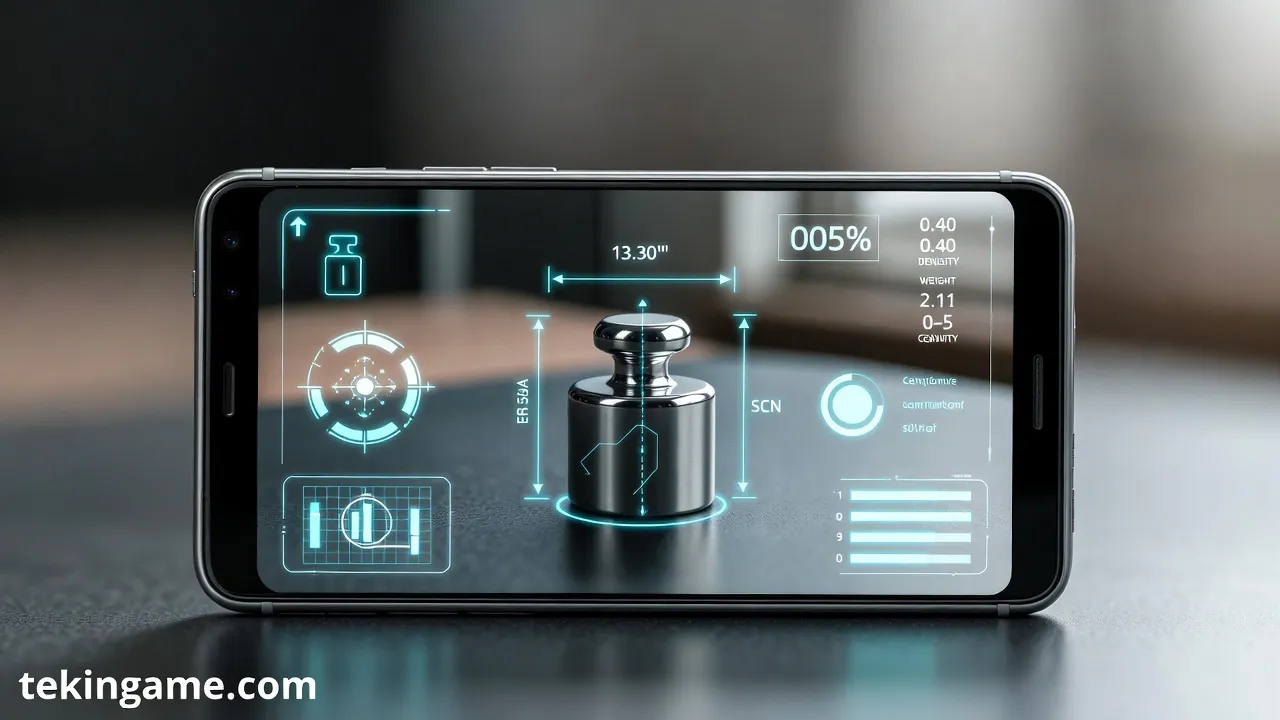
The true magic lies in Sensor Fusion technology. When a user picks up an object (e.g., a dumbbell, a cardboard box, or a glass of water), Siri Pro’s AI analyzes the microscopic vibrations of the user’s hand with pixel-perfect precision. It measures the capillary contractions of the arm muscles in the video feed, cross-references the light refraction on the object's material with a massive database, and by fusing these data points, calculates the exact weight and center of gravity with a margin of error below 10%.
6.2. Novel Applications in AR and Industrial Monitoring
This technology revolutionizes Machine Spatial Intelligence. Its applications in smart fitness, physical therapy, industrial quality control on assembly lines (e.g., detecting if a metal component is hollow and defective or solid), and Augmented Reality platforms will be unparalleled. Machines no longer just "see" the pixels of an image; they comprehend the gravitational pull, elastic tension, and Newtonian physics applied to that image.
7. Microsoft Copilot Ghostwriter: The Phantom That Hijacks Your Keyboard
The final bombshell, which triggered panic on Wall Street and a wave of anxiety among white-collar workers as markets opened this morning, was Microsoft’s official unveiling of the Copilot Ghostwriter plugin for the Office 365 suite. If you believed AI writing tools were inherently mechanical, dry, and cliché, this tool is ready to destroy that assumption. Ghostwriter is not just a text generator; it is a Semantic Clone and digital twin of your psychological writing profile.
7.1. Deep Persona Learning via RAG Integration
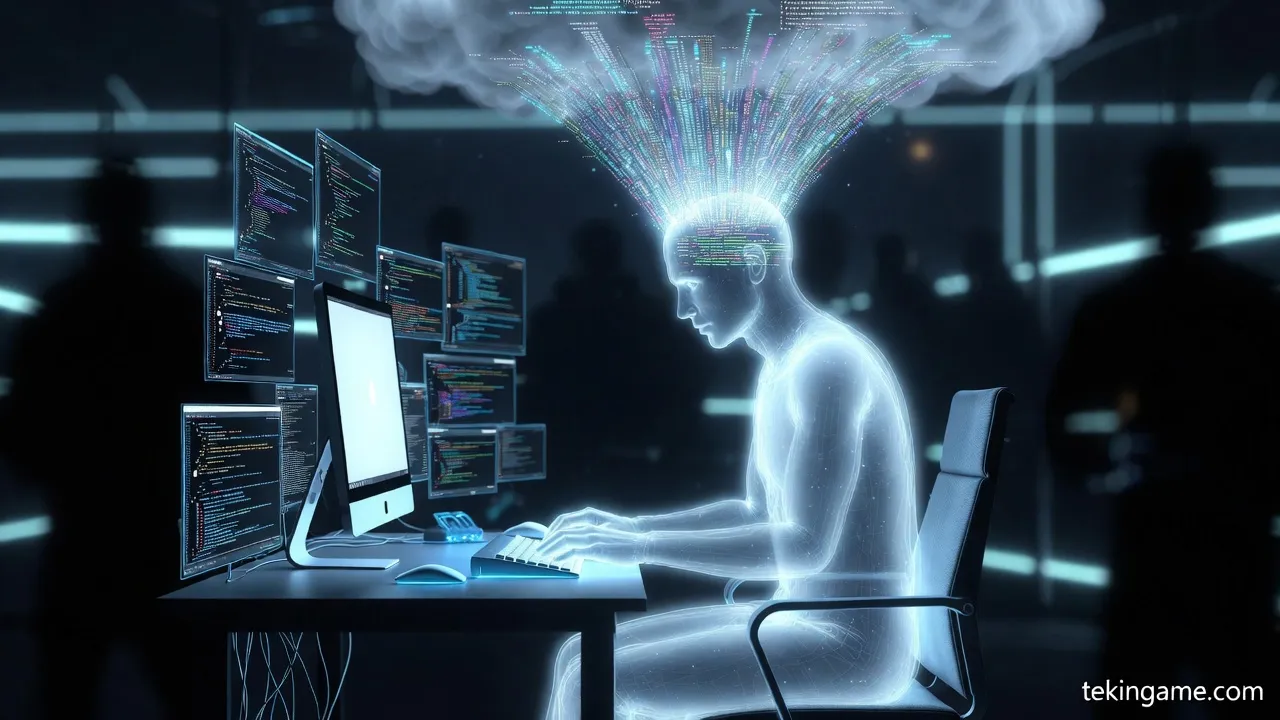
Powered by native Windows Retrieval-Augmented Generation (RAG) technology, Microsoft’s Ghostwriter gains access to your entire archive of Outlook emails, Microsoft Teams chat history, and Word documents spanning the last five to ten years (subject to enterprise admin approval). In a matter of minutes, it vectorizes this massive database and learns your personal tone, your frequently used jargon, your specific level of formality with different colleagues, your verbal tics, and even your deliberate typos and grammatical quirks.
When you command it on a Monday morning: "Write a furious complaint email to the server contractor regarding their delivery delay," the Ghostwriter’s output is exactly how *you* would have written it in a state of rage. It uses your sarcasm, your sentence structures, and your signature sign-offs. Detecting that this highly sensitive text was AI-generated will be virtually impossible, even for your closest colleagues or your spouse. This feature simultaneously introduces terrifying new vectors for AI Identity Theft.
7.2. Datacenter Economics (TCO): The Crash of the Freelance Market
The release of this news in the early hours of the morning caused shares of massive outsourcing and gig-economy platforms (such as Upwork and Fiverr) to plummet by over 10%. Investors correctly deduced that the demand for hiring human copywriters is about to evaporate. To fully grasp this macroeconomic disaster at the enterprise level, let us examine a standard Tekin Analytical Table comparing the cost of hiring a human copywriter versus deploying the Ghostwriter tool over a fiscal year:
| Strategic Evaluation Metric (1-Year Fiscal Cycle) | Human PR/Copywriting Team (Freelancer or Employee) | Microsoft Copilot Ghostwriter System |
|---|---|---|
| Annual Operational Cost (Payroll / Software Licenses) | Minimum $45,000 (Global average salary + benefits) | $360 ($30 monthly subscription for Enterprise Copilot) |
| Velocity of Adopting Brand Voice & Psychology | Weeks to months of reading guidelines and trial-and-error | Under 3 minutes (Scanning, indexing, and semantic analysis) |
| Specialized Content Output Capacity (Per Workday) | Maximum 5 to 10 strategic articles/emails (due to fatigue) | Infinite (Capable of answering thousands of parallel requests instantly) |
| Security Risks & Confidentiality | High risk of data leaks by human personnel (Requires NDA) | Isolated processing within the Azure Enterprise layer |
As the mathematics ruthlessly demonstrate, corporations and Chief Executive Officers (CEOs) no longer have any financial or strategic justification to outsource the writing of critical emails, internal documentation, legal correspondence, or even their own LinkedIn thought-leadership posts. With this tool, Microsoft has effectively pushed the profession of "general and commercial copywriting" to its absolute endpoint, driving the corporate world toward total communication automation.
8. Strategic Conclusion: Survival Protocols for the 2026 Innovation Storm
The relentless bombardment of news on February 19, 2026, broadcasts a clear and brutal strategic message to all of us: the transition period and the warm-up phase are over. We are now at the boiling point of human-machine integration. When Artificial Intelligence can compose music in professional DAWs on your behalf (Gemini MusicFX), speak faster than your biological nervous system can react (Claude 4.7 Mini), solve problems slower and more logically than you (OpenAI Orion), process data locally without internet cables (Nvidia Rubin), feel the mass of physical objects just by looking at them (Apple Sensor Fusion), and write furious or romantic letters adopting your exact persona (Microsoft Ghostwriter), only one competitive advantage remains for the human workforce: The Power of Orchestration and Strategic Thinking.
In this ruthless, algorithmic market, those who survive will not be the ones trying to compete with these tools in generating granular outputs. The survivors will be the individuals who learn how to manage, oversee, and orchestrate this massive network of autonomous tools like a master conductor. Lower-level execution skills are actively being eradicated; human added value in 2026 is entirely distilled into "System Design," "Asking the Right Questions," and "AI Risk Management." Today, you must make a choice: Do you want to slowly write the musical notes of a digital revolution by yourself, or do you want to be the conductor of the machine symphony?