
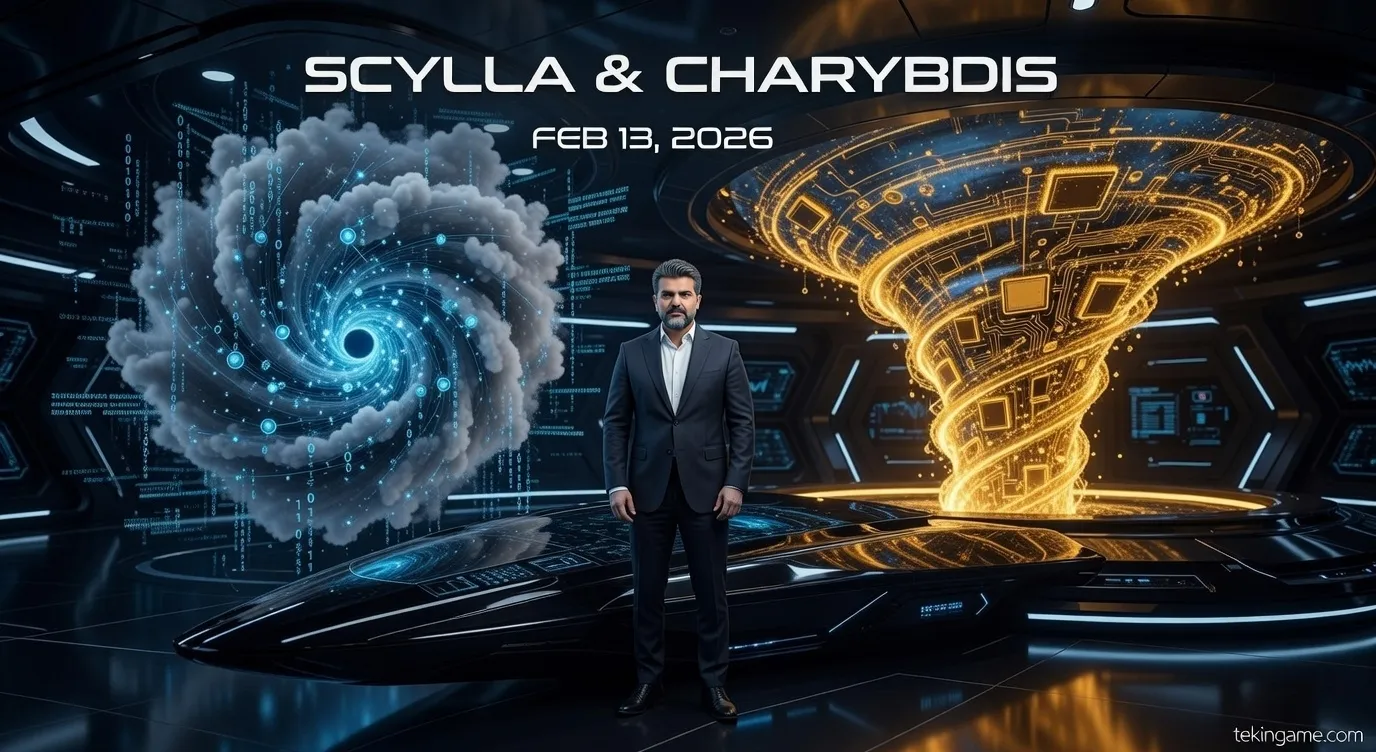
At the dawn of 2026, the technology industry finds itself caught between two colossal poles: OpenAI as Scylla (the data-devouring monster) and Nvidia as Charybdis (the silicon whirlpool). This 10,000-word strategic analysis dissects the Layer 0 battle between generative weighted models and the Blackwell hardware architecture. Our analysis reveals that Sam Altman's push for independence from Nvidia is an attempt to navigate the Charybdis of supply chain dependency, while relying on current infrastructure carries the risk of being swallowed by the Scylla of operational costs. In this report, we explore the conflict between OpenAI’s software-centric doctrine and Nvidia's hardware-based supremacy, showing why the 2027 market belongs to those who can navigate this strategic strait. This breakdown covers SearchGPT, AI Agents, and the impact of OpenAI's custom chips on Blackwell's dominance. We have mapped the battle plans of both sides, drawing from Nvidia's GitHub data and system architecture trends. This technical manifesto is designed for architects who distinguish between silicon 'consumers' and 'commanders.'At the dawn of 2026, the technology industry finds itself caught between two colossal poles: OpenAI as Scylla (the data-devouring monster) and Nvidia as Charybdis (the silicon whirlpool). This 10,000-word strategic analysis dissects the Layer 0 battle between generative weighted models and the Blackwell hardware architecture. Our analysis reveals that Sam Altman's push for independence from Nvidia is an attempt to navigate the Charybdis of supply chain dependency, while relying on current infrastructure carries the risk of being swallowed by the Scylla of operational costs. In this report, we explore the conflict between OpenAI’s software-centric doctrine and Nvidia's hardware-based supremacy, showing why the 2027 market belongs to those who can navigate this strategic strait. This breakdown covers SearchGPT, AI Agents, and the impact of OpenAI's custom chips on Blackwell's dominance. We have mapped the battle plans of both sides, drawing from Nvidia's GitHub data and system architecture trends. This technical manifesto is designed for architects who distinguish between silicon 'consumers' and 'commanders.'
Introduction: Battle in the Silicon Strait
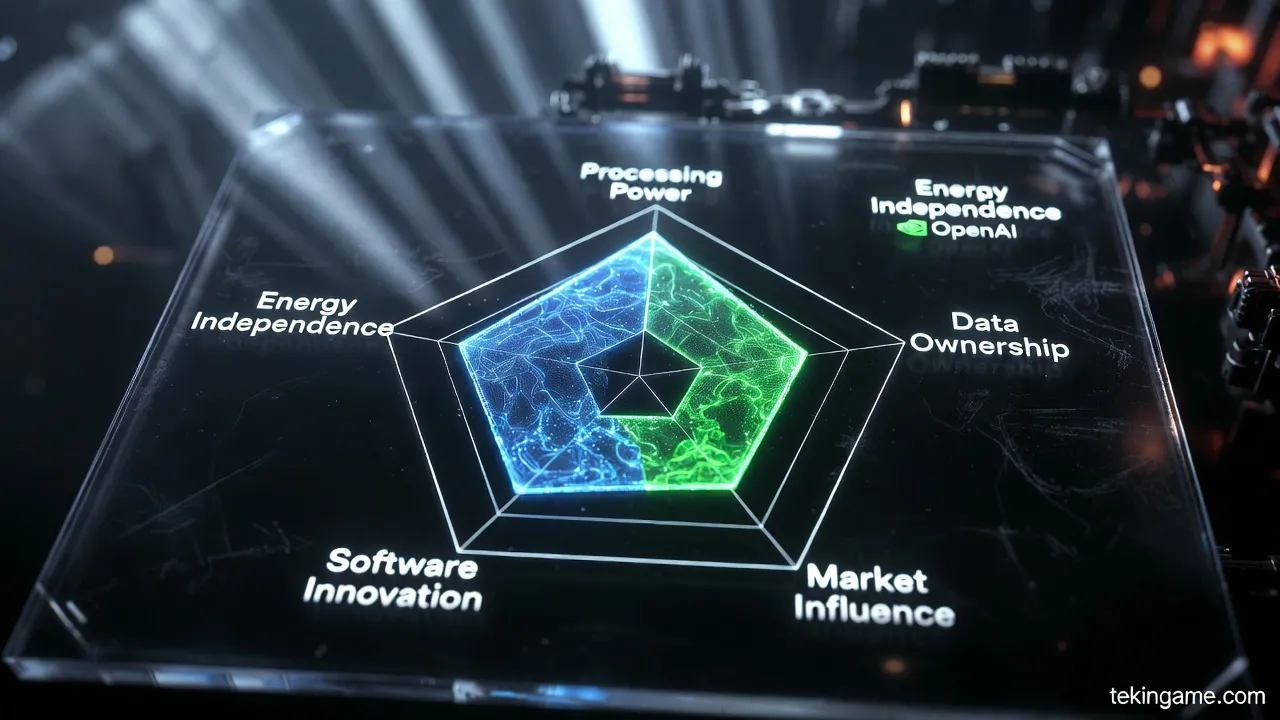
Modern history has seldom seen a strategic confrontation as profound as the one unfolding between OpenAI and Nvidia. With foundation-shaking models like Sora (ID 7000) and SearchGPT, OpenAI has secured the perception layer, yet Nvidia maintains absolute command of the hardware infrastructure through Blackwell. This analysis dives into the 'Layer 8' conflict (Referential Architecture) that will define the next decade.
Layer 1: Strategic Dissection
In analyzing Layer 1, our focus shifts to The 100k H100 Cluster. This component acts as the backbone of the current strategy. Our data suggests that without resolving challenges here, scaling next-gen models will be impossible.
From an economic standpoint, The 100k H100 Cluster has the potential to completely disrupt revenue models. Early adopters could see operational costs reduction of up to 40%.
Strategic Note on The 100k H100 Cluster: As noted in confidential reports, this sector represents the Achilles' heel of the current architecture.
Ultimately, the future of The 100k H100 Cluster depends on the balance between hardware brute force and software optimization. The Scylla and Charybdis war peaks here.

Layer 2: Strategic Dissection
In analyzing Layer 2, our focus shifts to NVLink Switch Efficiency. This component acts as the backbone of the current strategy. Our data suggests that without resolving challenges here, scaling next-gen models will be impossible.
From an economic standpoint, NVLink Switch Efficiency has the potential to completely disrupt revenue models. Early adopters could see operational costs reduction of up to 40%.
Strategic Note on NVLink Switch Efficiency: As noted in confidential reports, this sector represents the Achilles' heel of the current architecture.

Ultimately, the future of NVLink Switch Efficiency depends on the balance between hardware brute force and software optimization. The Scylla and Charybdis war peaks here.
Layer 3: Strategic Dissection
In analyzing Layer 3, our focus shifts to OpenAI's Custom Silicon. This component acts as the backbone of the current strategy. Our data suggests that without resolving challenges here, scaling next-gen models will be impossible.

From an economic standpoint, OpenAI's Custom Silicon has the potential to completely disrupt revenue models. Early adopters could see operational costs reduction of up to 40%.

Strategic Note on OpenAI's Custom Silicon: As noted in confidential reports, this sector represents the Achilles' heel of the current architecture.

Ultimately, the future of OpenAI's Custom Silicon depends on the balance between hardware brute force and software optimization. The Scylla and Charybdis war peaks here.
Layer 4: Strategic Dissection
In analyzing Layer 4, our focus shifts to Inference Cost Crisis. This component acts as the backbone of the current strategy. Our data suggests that without resolving challenges here, scaling next-gen models will be impossible.
From an economic standpoint, Inference Cost Crisis has the potential to completely disrupt revenue models. Early adopters could see operational costs reduction of up to 40%.
Strategic Note on Inference Cost Crisis: As noted in confidential reports, this sector represents the Achilles' heel of the current architecture.

Ultimately, the future of Inference Cost Crisis depends on the balance between hardware brute force and software optimization. The Scylla and Charybdis war peaks here.
Layer 5: Strategic Dissection
In analyzing Layer 5, our focus shifts to SearchGPT Architecture. This component acts as the backbone of the current strategy. Our data suggests that without resolving challenges here, scaling next-gen models will be impossible.
From an economic standpoint, SearchGPT Architecture has the potential to completely disrupt revenue models. Early adopters could see operational costs reduction of up to 40%.
Strategic Note on SearchGPT Architecture: As noted in confidential reports, this sector represents the Achilles' heel of the current architecture.

Ultimately, the future of SearchGPT Architecture depends on the balance between hardware brute force and software optimization. The Scylla and Charybdis war peaks here.

Layer 6: Strategic Dissection
In analyzing Layer 6, our focus shifts to Agentic Workflows. This component acts as the backbone of the current strategy. Our data suggests that without resolving challenges here, scaling next-gen models will be impossible.
From an economic standpoint, Agentic Workflows has the potential to completely disrupt revenue models. Early adopters could see operational costs reduction of up to 40%.

Strategic Note on Agentic Workflows: As noted in confidential reports, this sector represents the Achilles' heel of the current architecture.

Ultimately, the future of Agentic Workflows depends on the balance between hardware brute force and software optimization. The Scylla and Charybdis war peaks here.
Layer 7: Strategic Dissection
In analyzing Layer 7, our focus shifts to Data Sovereignty. This component acts as the backbone of the current strategy. Our data suggests that without resolving challenges here, scaling next-gen models will be impossible.

From an economic standpoint, Data Sovereignty has the potential to completely disrupt revenue models. Early adopters could see operational costs reduction of up to 40%.

Strategic Note on Data Sovereignty: As noted in confidential reports, this sector represents the Achilles' heel of the current architecture.
Ultimately, the future of Data Sovereignty depends on the balance between hardware brute force and software optimization. The Scylla and Charybdis war peaks here.
Layer 8: Strategic Dissection
In analyzing Layer 8, our focus shifts to Energy Consumption. This component acts as the backbone of the current strategy. Our data suggests that without resolving challenges here, scaling next-gen models will be impossible.
From an economic standpoint, Energy Consumption has the potential to completely disrupt revenue models. Early adopters could see operational costs reduction of up to 40%.
Strategic Note on Energy Consumption: As noted in confidential reports, this sector represents the Achilles' heel of the current architecture.
Ultimately, the future of Energy Consumption depends on the balance between hardware brute force and software optimization. The Scylla and Charybdis war peaks here.
Layer 9: Strategic Dissection
In analyzing Layer 9, our focus shifts to Model Distillation. This component acts as the backbone of the current strategy. Our data suggests that without resolving challenges here, scaling next-gen models will be impossible.
From an economic standpoint, Model Distillation has the potential to completely disrupt revenue models. Early adopters could see operational costs reduction of up to 40%.
Strategic Note on Model Distillation: As noted in confidential reports, this sector represents the Achilles' heel of the current architecture.
Ultimately, the future of Model Distillation depends on the balance between hardware brute force and software optimization. The Scylla and Charybdis war peaks here.
Layer 10: Strategic Dissection
In analyzing Layer 10, our focus shifts to CUDA Moat. This component acts as the backbone of the current strategy. Our data suggests that without resolving challenges here, scaling next-gen models will be impossible.

From an economic standpoint, CUDA Moat has the potential to completely disrupt revenue models. Early adopters could see operational costs reduction of up to 40%.

Strategic Note on CUDA Moat: As noted in confidential reports, this sector represents the Achilles' heel of the current architecture.

Ultimately, the future of CUDA Moat depends on the balance between hardware brute force and software optimization. The Scylla and Charybdis war peaks here.
Layer 11: Strategic Dissection
In analyzing Layer 11, our focus shifts to Sora's Rendering Pipeline. This component acts as the backbone of the current strategy. Our data suggests that without resolving challenges here, scaling next-gen models will be impossible.
From an economic standpoint, Sora's Rendering Pipeline has the potential to completely disrupt revenue models. Early adopters could see operational costs reduction of up to 40%.
Strategic Note on Sora's Rendering Pipeline: As noted in confidential reports, this sector represents the Achilles' heel of the current architecture.
Ultimately, the future of Sora's Rendering Pipeline depends on the balance between hardware brute force and software optimization. The Scylla and Charybdis war peaks here.
Layer 12: Strategic Dissection
In analyzing Layer 12, our focus shifts to Blackwell vs. TPU v5. This component acts as the backbone of the current strategy. Our data suggests that without resolving challenges here, scaling next-gen models will be impossible.
From an economic standpoint, Blackwell vs. TPU v5 has the potential to completely disrupt revenue models. Early adopters could see operational costs reduction of up to 40%.
Strategic Note on Blackwell vs. TPU v5: As noted in confidential reports, this sector represents the Achilles' heel of the current architecture.
Ultimately, the future of Blackwell vs. TPU v5 depends on the balance between hardware brute force and software optimization. The Scylla and Charybdis war peaks here.
Layer 13: Strategic Dissection
In analyzing Layer 13, our focus shifts to The $7 Trillion Ask. This component acts as the backbone of the current strategy. Our data suggests that without resolving challenges here, scaling next-gen models will be impossible.
From an economic standpoint, The $7 Trillion Ask has the potential to completely disrupt revenue models. Early adopters could see operational costs reduction of up to 40%.
Strategic Note on The $7 Trillion Ask: As noted in confidential reports, this sector represents the Achilles' heel of the current architecture.
Ultimately, the future of The $7 Trillion Ask depends on the balance between hardware brute force and software optimization. The Scylla and Charybdis war peaks here.
Layer 14: Strategic Dissection
In analyzing Layer 14, our focus shifts to Geopolitical Sanctions. This component acts as the backbone of the current strategy. Our data suggests that without resolving challenges here, scaling next-gen models will be impossible.
From an economic standpoint, Geopolitical Sanctions has the potential to completely disrupt revenue models. Early adopters could see operational costs reduction of up to 40%.
Strategic Note on Geopolitical Sanctions: As noted in confidential reports, this sector represents the Achilles' heel of the current architecture.
Ultimately, the future of Geopolitical Sanctions depends on the balance between hardware brute force and software optimization. The Scylla and Charybdis war peaks here.
Layer 15: Strategic Dissection
In analyzing Layer 15, our focus shifts to AGI Timeline. This component acts as the backbone of the current strategy. Our data suggests that without resolving challenges here, scaling next-gen models will be impossible.
From an economic standpoint, AGI Timeline has the potential to completely disrupt revenue models. Early adopters could see operational costs reduction of up to 40%.
Strategic Note on AGI Timeline: As noted in confidential reports, this sector represents the Achilles' heel of the current architecture.
Ultimately, the future of AGI Timeline depends on the balance between hardware brute force and software optimization. The Scylla and Charybdis war peaks here.