1. The Heavy Legacy: Standing on the Shoulders of Giants
Creating a sequel to Blade Runner is like trying to renovate the Pyramids; every brick you lay is compared to history. The original film (1982) defined the Cyberpunk genre, and the sequel (2049) perfected it visually. Blade Runner 2099 was born into a world of impossible expectations.
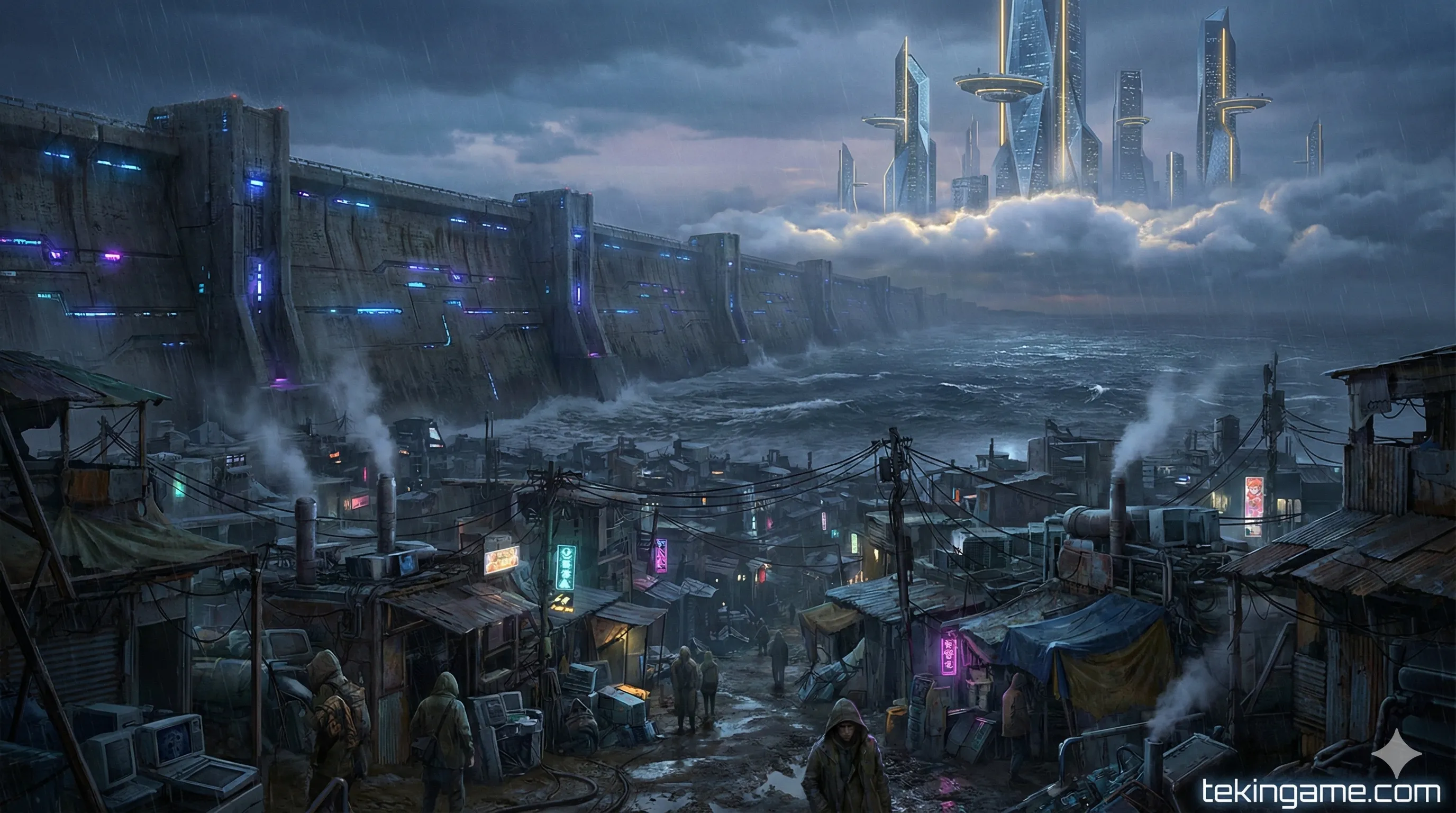
Amazon smartly propelled the timeline 50 years forward to escape the immediate shadow of Deckard (Harrison Ford) and Officer K (Ryan Gosling). In 2099, the Sea Wall of Los Angeles is higher, the middle class has been entirely eradicated, and society is strictly divided: those who live in the orbital stations above the clouds, and those left to rot in the toxic streets below.
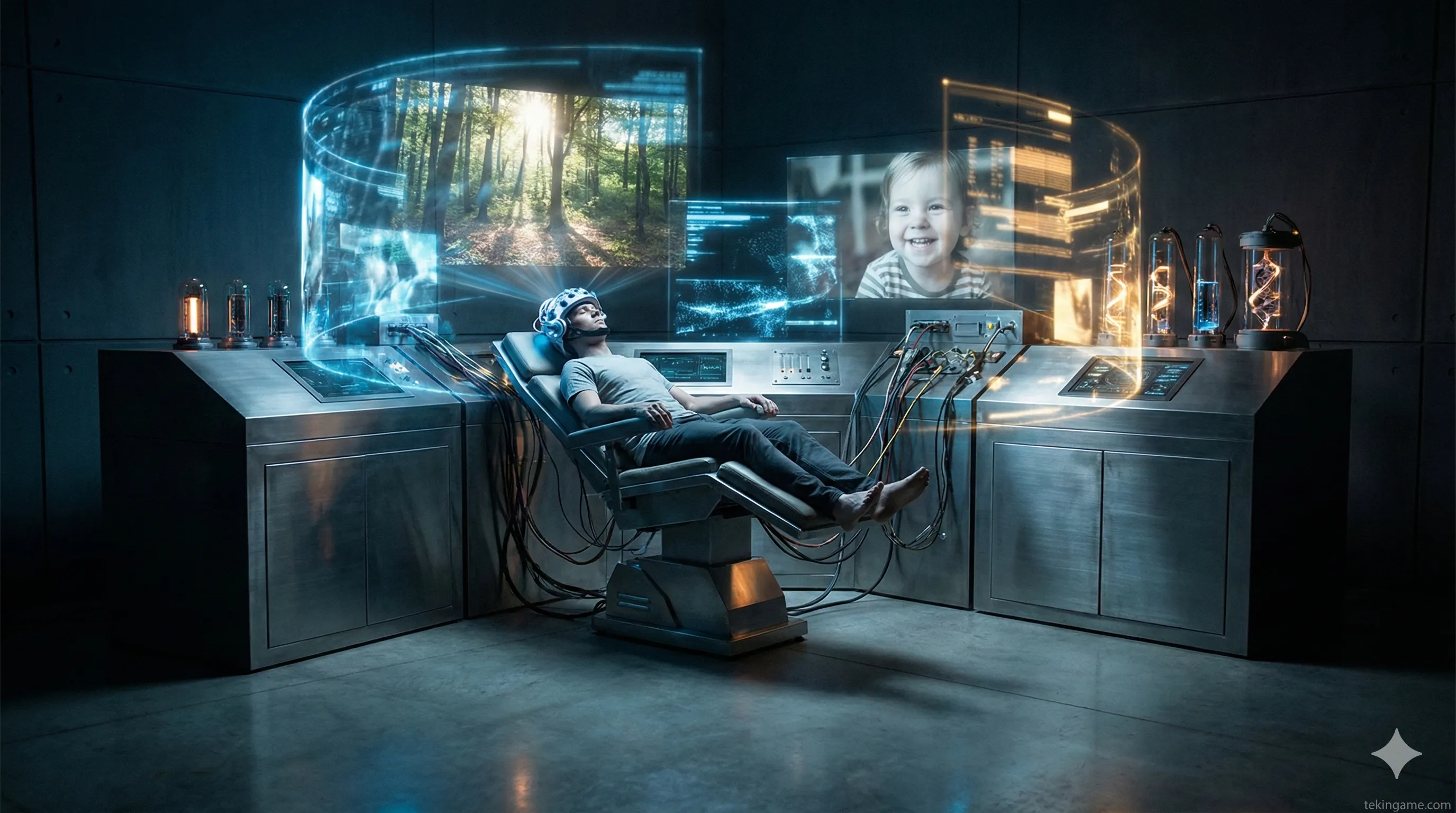
Instead of rehashing the "Hunter vs. Hunted" trope, the series pivots to explore the concept of "Memory." Are our memories real? Or are they merely editable files uploaded to our brains by corporations? It feels fresh yet familiar.
2. The Architecture of Apocalypse: Designing LA 2099
If I had to describe the graphics of this show in one word: "Arresting."
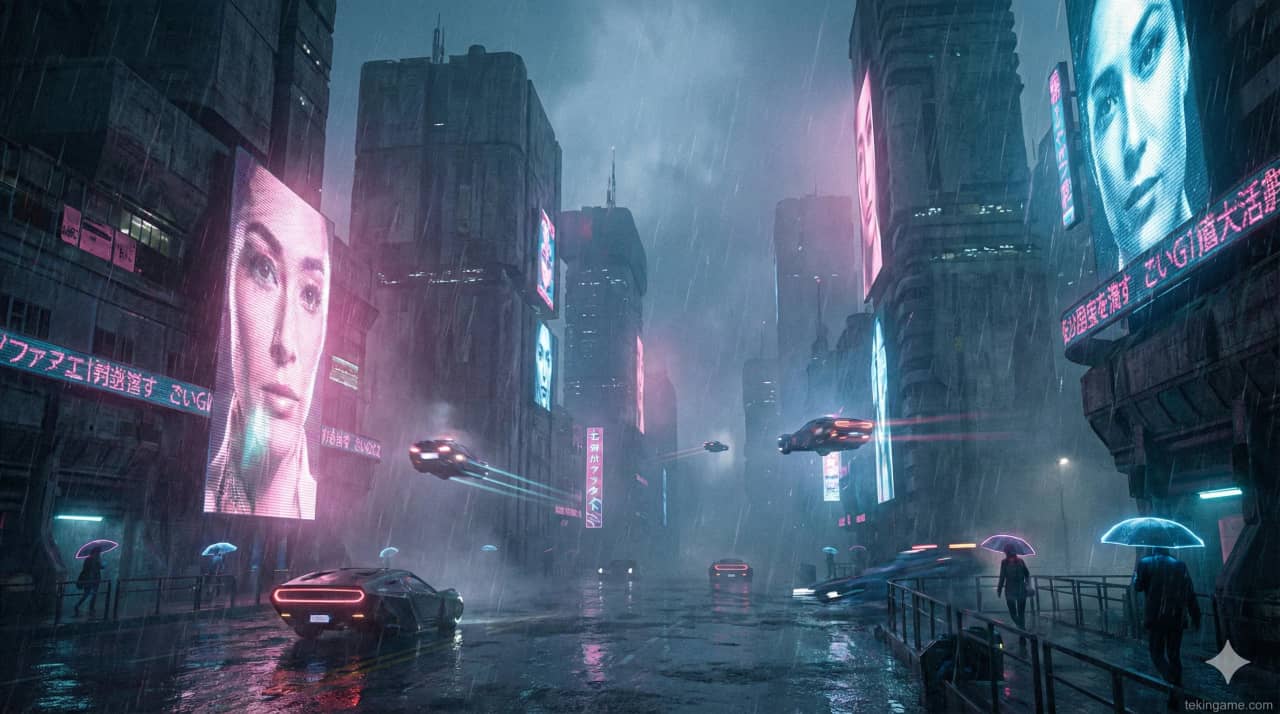
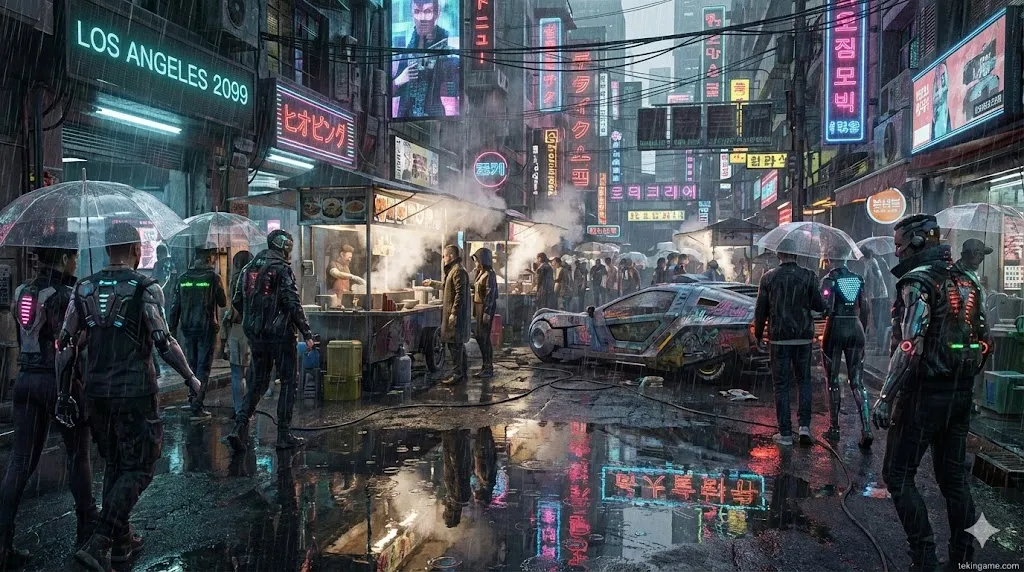
The production design team has built a city that feels simultaneously alive and necrotic. The architectural style blends "Brutalism" (massive, oppressive concrete) with "Bio-Tech." Buildings are no longer just steel; they have synthetic skins that seem to breathe.
Technical Note for Geeks: The lighting in this show owes a massive debt to Ray Tracing techniques in modern gaming. The reflection of pink and turquoise neon on wet asphalt, the volumetric fog that permanently chokes the air, and the stark contrast between deep blacks and blinding lights make every frame look like a concept art painting. You could pause the stream at any second and have a perfect desktop wallpaper.
3. The Performance: Michelle Yeoh’s Dance of Death
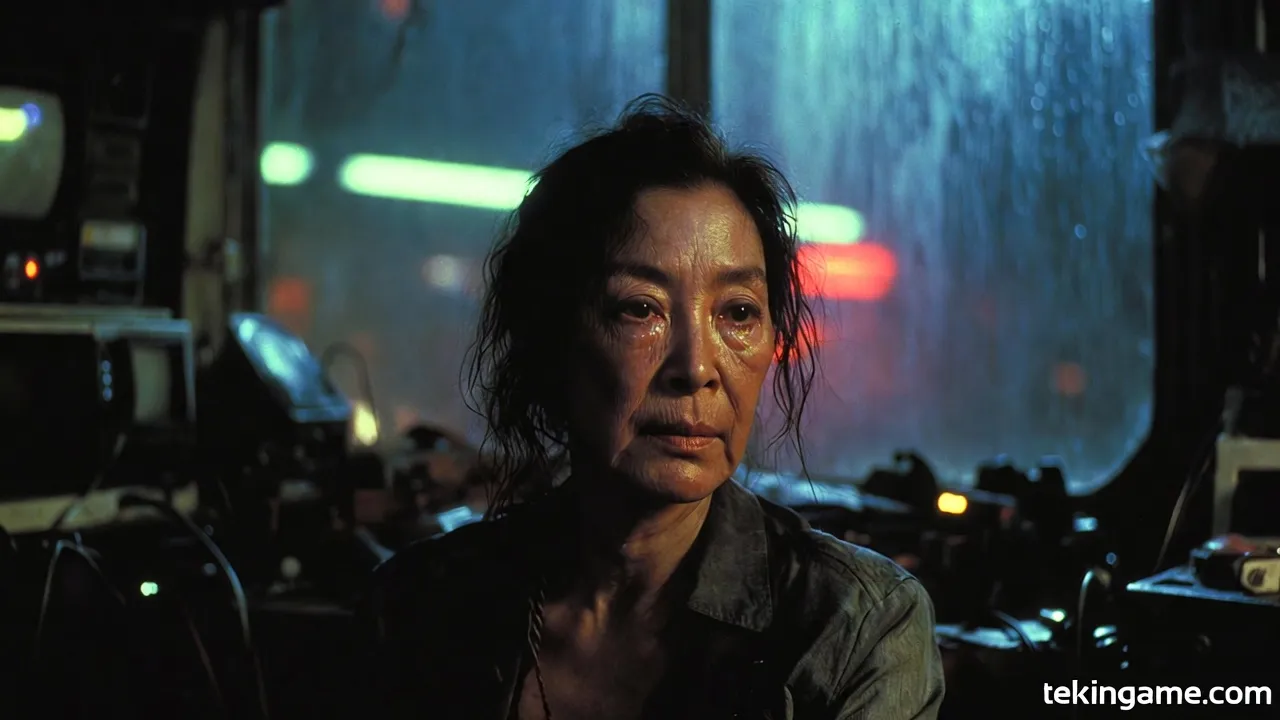
Casting Michelle Yeoh as the lead gave the series immediate gravitas. She plays "Olwen," an ancient Replicant nearing the end of her extended lifespan, carrying a secret that could dismantle the status quo.
Yeoh’s performance is masterfully minimalist. She conveys a hundred years of artificial suffering with nothing but a weary glance. Unlike her previous high-octane action roles, here the battle is internal. It is a war of micro-expressions.
Her counterpart, a young, cynical detective, represents the new generation of humans: addicted to neural links and disconnected from physical reality. The chemistry between these two—a human-like machine and a machine-like human—is the engine that drives the drama.
4. AI Philosophy: When Replicants Become Believers
This section is crucial for the TekinGame audience. The show poses a question directly relevant to our current debates about Generative AI and LLMs:
"If an AI can create art, does it possess a soul?"
In the series, Replicants are no longer just laborers; they have become the artists, poets, and philosophers of the age. In contrast, humans have devolved into mindless consumers of content. This role reversal is a sharp critique of our own 2026 society.
One of the most haunting lines in Episode 4 sums it up: "You humans killed God to become gods yourselves, but you forgot that gods are lonely too." This is the distilled essence of Blade Runner.
5. Direction & Pacing: Slow, Heavy, and Breathtaking
A serious warning: If you are accustomed to the rapid-fire pacing of Marvel movies or TikTok-style editing, Blade Runner 2099 might bore you.
This show is a "Slow-burn." The camera lingers on faces. Wide shots of the dystopian skyline last for minutes. The director (Silka Luisa helms the pilot) wants you to breathe the atmosphere.
This slowness is not a flaw; it is a feature of the "Neo-Noir" genre. The suspense here isn't "Who is behind the door?" but rather "Who am I?"
6. For The Gamers: Why You Must Watch
We are TekinGame, so we must view this through a gaming lens.
If you played Cyberpunk 2077, watching this series feels like coming home. The gadget design, the holographic UIs, the smart-linked weaponry, and even the modeling of the flying Spinner cars bear a striking resemblance to CD Projekt Red’s masterpiece.
Fans of Deus Ex and Detroit: Become Human will also find plenty of DNA here. The show is effectively a masterclass in "World Building" for game designers—teaching how to tell a story through the environment without using a single word of dialogue.
7. The Verdict: To Watch or Not to Watch?
Blade Runner 2099 is not "popcorn TV" to watch while scrolling on your phone. It demands your full attention. It requires the lights off and the volume up.
It is a worthy successor to "Do Androids Dream of Electric Sheep?". Despite some pacing dips in the mid-season, the finale is so impactful it will linger in your RAM long after the credits roll.
Pros:
✅ Visual effects that rival IMAX cinema.
✅ A masterpiece score (blending Vangelis and Hans Zimmer themes).
✅ Michelle Yeoh’s haunting performance.
✅ Deep philosophical relevance to 2026.
Cons:
❌ Slow pacing may alienate casual viewers.
❌ Some side characters lack development.
TekinMovie Score: 9.2/10 (A Modern Cyberpunk Masterpiece).
🤖 What Is Your Take, Blade Runner?
Do you believe machines can ever feel real emotions, or is it just simulation?
Between the 1982 classic, 2049, and this new series, which atmosphere captivated you the most?
Drop your theories and thoughts in the comments below. We read everything at TekinMovie. 👇