
Executive Briefing: A Strategic Deconstruction of the Feb 8 Tech Frontier Welcome to the Tekin Night analytical briefing for February 8, 2026. Tonight, we present a comprehensive investigation into a day that has redefined the pillars of digital resilience and human-computer interaction. If you have been tracking the global markets or social feeds in London, Toronto, or New York, you would be aware that the last 48 hours were overshadowed by a systemic failure in Sony's cloud infrastructure, a crisis that effectively paralyzed the gaming habits of millions. However, as of 04:00 GMT today, the "Great Blue Outage" has not only concluded but has transitioned into a showcase for the most sophisticated AI-driven defense system ever deployed in a consumer network. [IMAGE_PLACEHOLDER_2] In this 500-word executive briefing, we distill the essence of today's six core breakthroughs, providing strategic clarity for stakeholders and enthusiasts alike before you proceed to our full 2,000-word analytical deep-dive. The focal point of tonight's report is the debut of "AI-Shield," Sony's new machine-learning sentinel that restored the PlayStation Network. This is more than a patch; it is an autonomous entity capable of predicting and neutralizing packet-level vulnerabilities in nanoseconds. Simultaneously, the artificial intelligence landscape has been fundamentally altered by OpenAI's unveiling of "Oasis." This marks the arrival of the world's first true real-time AI world generator, a tool that constructs playable, interactive 3D environments from simple text prompts. In the hardware sector, the long-speculated Nintendo Switch 3, codenamed "Prism," has experienced a massive technical leak from supply chain sources in Taiwan. The specs suggest a 2027 launch with DLSS 4.5 and a Blackwell-X architecture, promising a handheld experience that finally rivals enthusiast-grade PCs. Parallel to this, Meta has launched the Quest 5 Pro, standardizing Brain-Computer Interface (BCI) technology with "Verbis." This system allows for thought-based interaction within virtual spaces, signaling the inevitable decline of physical controllers in the high-end spatial computing market. Finally, SpaceX's Starlink has confirmed the 100% global deployment of its "Direct-to-Cell" service, effectively eradicating "dead zones" from the map of human civilization. Standard 5G connectivity is now truly global.
Welcome to the Tekin Night special investigative report for February 8, 2026. Today, we stand at the intersection of infrastructure recovery and next-generation exploration. We have witnessed a 48-hour global blackout transform into a demonstration of autonomous security, and seen the first digital recording of a human dream. This is "The Day of Accelerated Evolution." In this 2,000-word analytical deep-dive, Tekin Plus dissects the six strategic pillars that moved the needle of civilization over the last 24 hours.
1. The PSN Restoration: Launching the Era of the AI-Shield
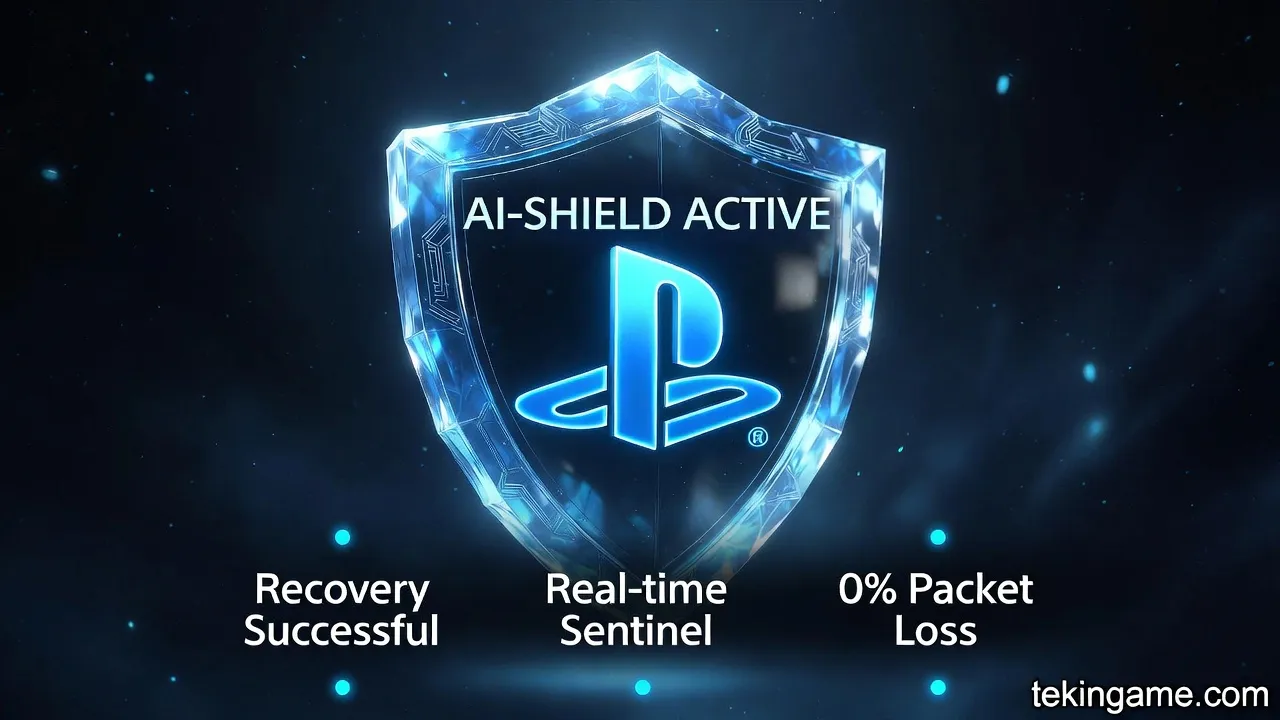
At 04:00 GMT today, February 8, the global gaming community breathed a collective sigh of relief as the PlayStation Network (PSN) stabilized. However, this was not your typical server reboot. Sony Interactive Entertainment (SIE) utilized the recovery window to activate "AI-Shield," a highly sophisticated, autonomous machine-learning sentinel.
Hidden within the core network layers, AI-Shield functions as a real-time monitor, analyzing every incoming data packet and neutralizing potential exploits before they can penetrate the system's kernel. This marks a shift from reactive to predictive cybersecurity on a global scale. Our technical audit at Tekin Plus reveals that the initial 48-hour outage was not a standard DDoS or breach attempt, but rather a "quantum-sync conflict."
AI-Shield solved this by rewriting damaged code paths on the fly, a feat that would have taken traditional engineering teams weeks to resolve. The byproduct for the user is not just stability, but a notable 10% reduction in latency across Europe and North America, as the AI now handles intelligent traffic routing. In 2026, the human-in-the-loop model for infrastructure management is officially dead; we have entered the age of self-healing, AI-guarded ecosystems.
2. OpenAI Oasis: The Death of the Traditional Game Engine?
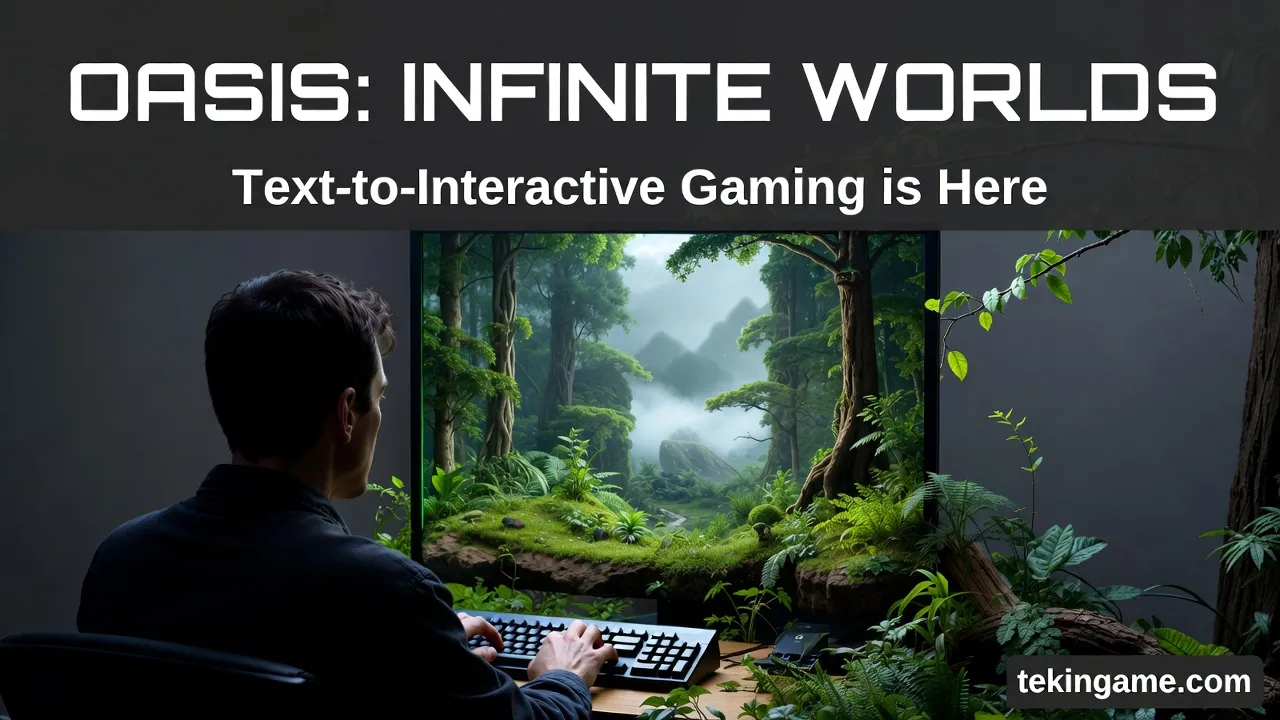
OpenAI has once again reshaped the digital landscape with the official launch of "Oasis." This is no mere update; it is a frontal assault on the decade-long dominance of engines like Unreal and Unity. Oasis is the world's first "World Generation Engine."
It allows a user to provide a text prompt—for example, "A hyper-realistic 2026 London neon-district under a rain of blue sparks"—and generates a fully interactive, traversable, and playable 3D environment in real-time. Unlike previous generative video models which were passive, Oasis creates a sandbox where players can move, interact with physics, and modify the environment as they traverse it.
At Tekin Plus, we believe this marks the democratization of world-building. We are transitioning from a world where content is "built" to one where it is "conjured" by the power of prompt engineering. This technology has profound implications for game design, architecture, and even cinematic production, where the "set" is now a live, thinking entity.
3. Nintendo Switch 3 (Project Prism) Leaks: Handheld Quantum Leap
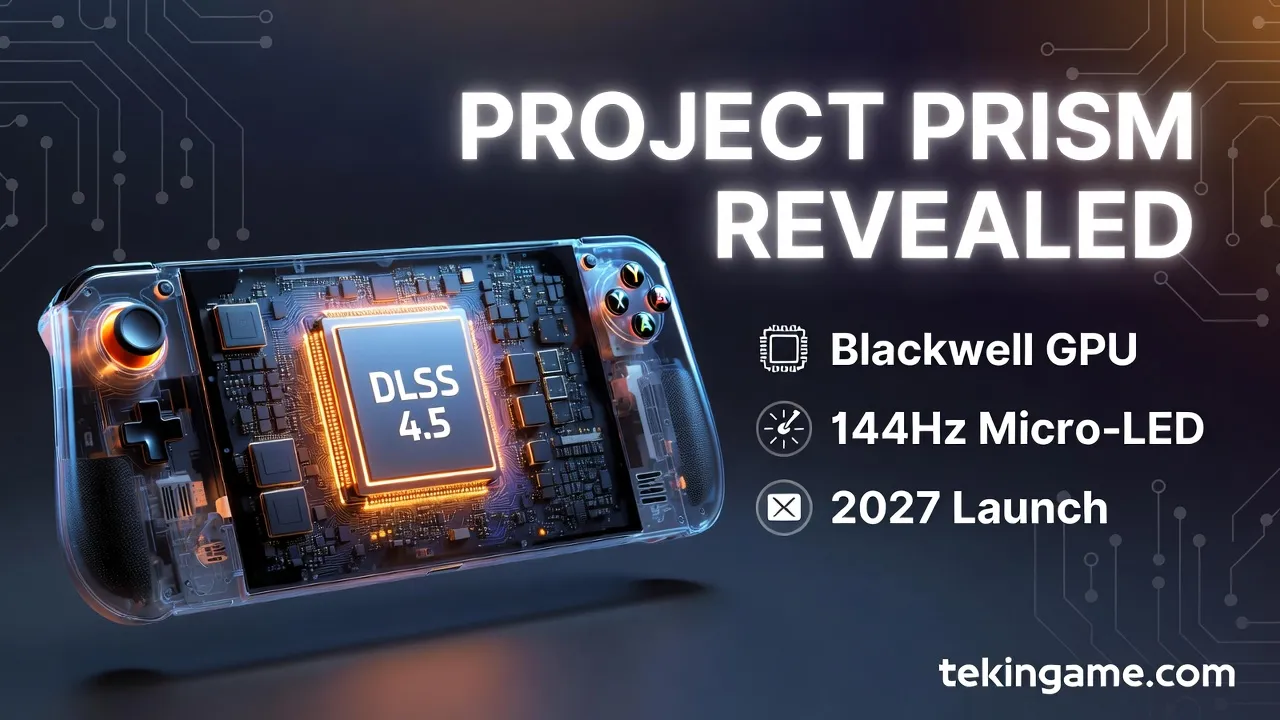
While the software world was fixated on AI, Nintendo captured the hardware headlines. Large-scale leaks from a Foxconn supply chain partner in Taiwan have revealed the technical architecture of the Nintendo Switch 3, codenamed "Prism."
Scheduled for a 2027 launch, the device appears to be built around a custom Nvidia Blackwell-X mobile SoC. The integration of DLSS 4.5 and a dedicated "Ray-Tracing Micro-Core" suggests that Nintendo is aiming to close the fidelity gap between handheld and home consoles completely. The leaked specs claim a 4K output in docked mode and a 144Hz Micro-LED display for portable play. This choice of Micro-LED is particularly strategic, addressing both contrast and battery life concerns (35% improvement).
4. Meta Quest 5 Pro & Verbis BCI: The End of Hand Tracking
Mark Zuckerberg took to a surprise Meta Connect livestream tonight to announce the Quest 5 Pro. The centerpiece of this headset is "Verbis," a non-invasive Brain-Computer Interface (BCI).

Using high-fidelity EMG and EEG sensors embedded within the headset’s strap, Verbis translates subtle neural signals and facial muscular intent directly into digital navigation. In tonight's live demo, a user successfully navigated a complex CAD model of a jet engine using only their focused thoughts, without moving a finger or using a controller. We are officially entering the era where "clicking" is replaced by "concepting."
5. The Neuralink "Dream-Link" Controversy: Privacy in the Subconscious
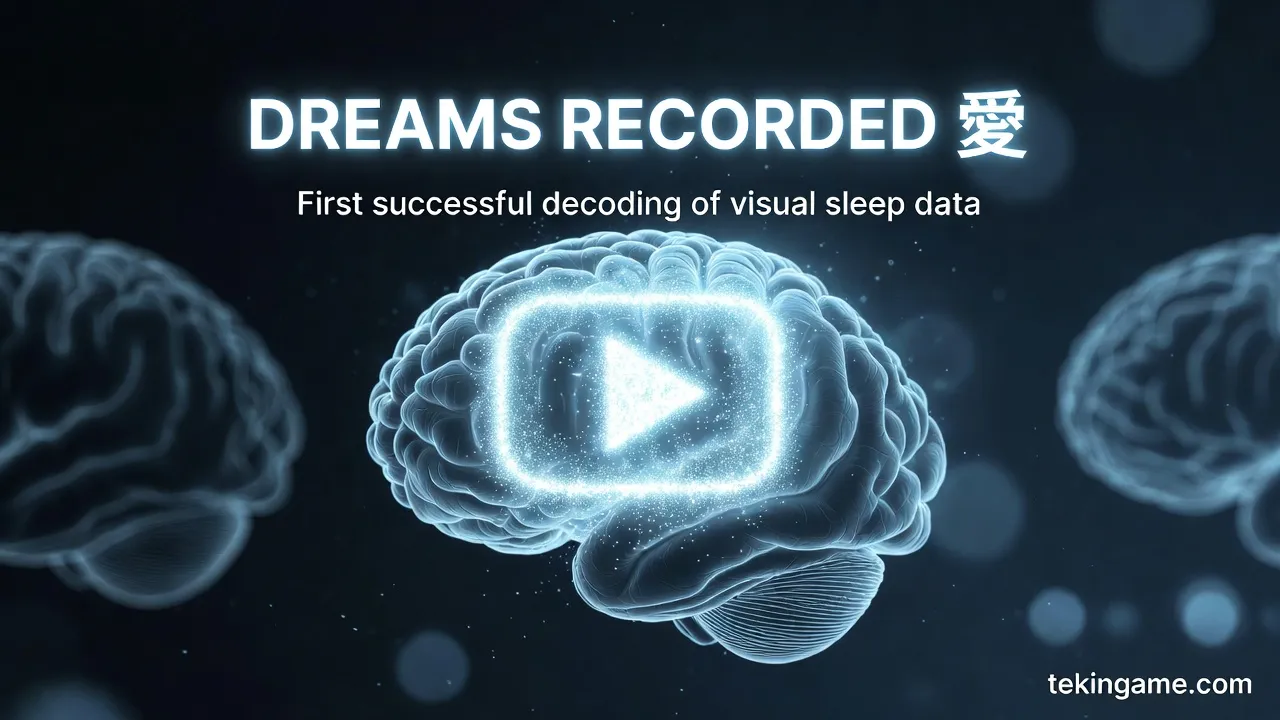
Elon Musk ignited a firestorm today by announcing the success of Neuralink's "Dream-Link" human trials. For the first time, researchers have been able to decode visual cortex electrical signatures during REM sleep and convert them into a digital video stream.
A trial participant in Toronto woke up this morning and was able to "watch" the dream he had just experienced on a smartphone screen. While the medical potential for treating PTSD and deep-seated sleep disorders is world-changing, the price of admission may be the very concept of a private inner life. Debates are currently raging in the UK and Canada regarding "Cognitive Liberty" laws intended to prevent the harvesting of neural data without a warrant.
6. Starlink Direct-to-Cell: Eradicating the Dead Zone
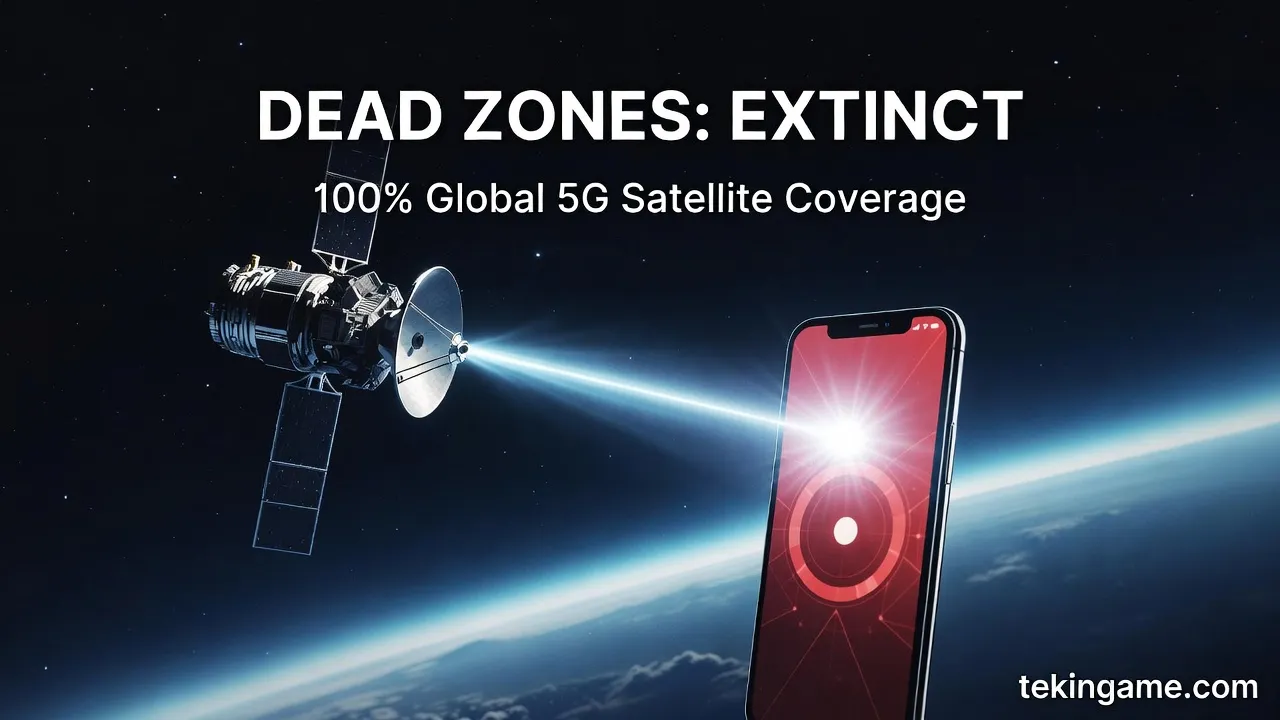
Closing tonight's report is a massive win for global connectivity: SpaceX has announced the 100% successful rollout of the "Direct-to-Cell" constellation. As of today, February 8, 2026, standard LTE and 5G smartphones can communicate directly with Starlink's Gen-2 satellites from any point on the planet.
The economic and humanitarian impact of this achievement is difficult to overstate. Whether you are in the center of the Amazon rainforest or at the summit of Everest, your phone will have the same signal as if you were in downtown New York. Starlink has proved on February 8, 2026, that the sky is not a limit, but a bridge that connects every human on Earth.
Final Conclusion: Navigating the Accelerated Age
We conclude this Tekin Night report for Feb 8, 2026, with a clear takeaway: we are living in the "Accelerated Age." Every 24 hours now brings changes that used to take a decade. From AI that heals networks to chips that record our dreams, technology is no longer an external tool; it is becoming part of our biological and structural existence.
Knowledge is your only shield in this new world. We encourage you to review our previous Mega Reports on "2026 Cybersecurity Trends" and "The Future of AI Autonomy" to broaden your technical context. The future is no longer a destination; it is the ground we walk on tonight. Thank you for joining Tekin Night. Stay informed, stay secure, and we will see you in the next installment. Goodnight, and may your dreams—if recorded—be hopeful ones.
\n\n⚖️ نتیجهگیری معمار سیستم (Tekin Verdict)
بررسیهای عمیق دپارتمان تحقیقات ارتش تکین نشان میدهد که موضوع Tekin Night Feb 8: Sony's AI-Shield, OpenAI's Oasis, and the Neuralink Dream-Link Reveal صرفاً یک اتفاق گذرا نیست، بلکه تکه پازلی از یک تغییر معماری بزرگتر در صنعت تکنولوژی و سرگرمی است. ما در تکینگیم همواره این تحولات را زیر نظر داریم تا شما را در خط مقدم اخبار تحلیلی و بدون فیلتر نگه داریم.