
1. Code Red: The Instagram Security Disaster (Analysis of the 17M User Breach)
Last night, the foundations of digital security shook. A notorious hacker operating under the alias "Solonik" posted a massive database for sale on BreachForums, a known dark web marketplace. The dataset allegedly contains the private information of 17.5 million Instagram users. But why is this breach far more dangerous than the usual scraping incidents?
What Data Was Leaked?
Unlike previous leaks that merely scraped public data like usernames and bios, Solonik claims to have bypassed Meta's security API to access linked phone numbers, primary email addresses (even hidden ones), and in some cases, registered location data. To prove the authenticity of the data, he released a free sample containing verified details of business accounts and high-profile influencers across Europe and the Middle East. Tekingame security analysts believe this breach exploited a Zero-Day vulnerability in Instagram’s account recovery tool, which was quietly patched last week, but evidently, not before the damage was done.
The Real Danger: Sim Swapping & Targeted Phishing
The risk here isn't just someone logging into your account; it’s Identity Theft.
1. Precision Phishing: Now that hackers have the exact phone number linked to a specific username, expect a wave of hyper-realistic SMS attacks. You might receive a text saying, "Your account has violated community guidelines, click here to appeal." Because they know your real number, these scams look incredibly legitimate.
2. SIM Swapping: For high-value targets (like crypto holders or handle hoarders), knowing the phone number is half the battle. Hackers can use this to trick carriers into transferring your number to their SIM card, bypassing SMS 2FA entirely.
🛡️ Protocol: "Digital Fortress" (Immediate Action Required)
If you suspect your data might be part of the 17 million, take these 4 steps NOW:
- Kill Sessions: Go to Instagram Settings > Security > Login Activity and log out of ALL unrecognized devices.
- Switch 2FA: SMS authentication is now compromised. Turn it OFF and enable an Authenticator App (Google Auth or Authy). Hackers cannot intercept these codes.
- Burn the Email: If your primary email is leaked, create a fresh, dedicated email (e.g., on ProtonMail) solely for your social media recovery.
- Backup Codes: Generate your 8-digit Backup Codes from settings and write them on paper. Do not store them in your phone notes.
2. Financial Markets: Anatomy of the Bitcoin Crash to $81k
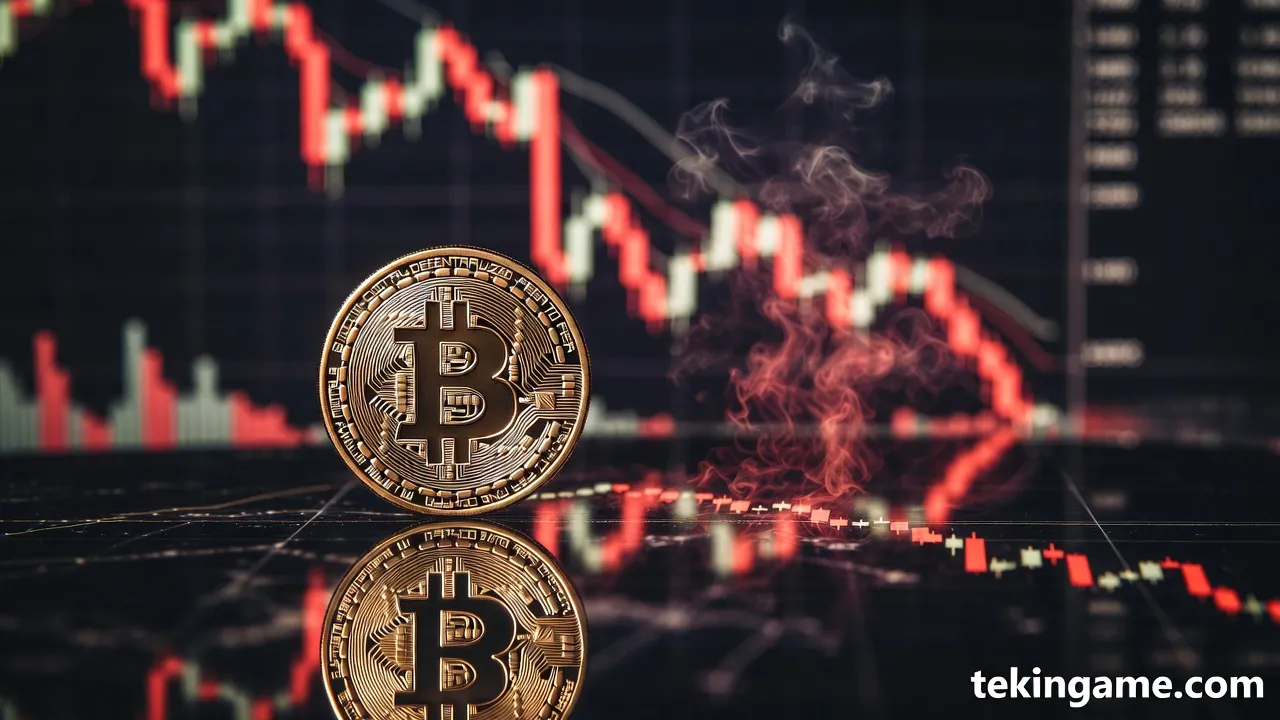
Friday, January 30, 2026, will be recorded in crypto history as "Black Friday." Bitcoin, which spent the last week attempting to break the psychological resistance of $95,000, collapsed to the $81,000 level in less than four hours. While a 6% drop might seem standard for crypto, the sheer volume of liquidations ($1.6 billion wiped out) suggests the market was caught completely off guard.
Who is to Blame? (Fundamental Analysis)
Two major catalysts triggered this cascade:
1. The "Fed Fear": Jerome Powell, Chairman of the Federal Reserve, made an unexpected comment yesterday suggesting that "digital inflation" driven by AI infrastructure costs might prevent interest rate cuts in 2026. This hawkish stance sent shockwaves through risk-on assets.
2. The Ancient Whales: On-chain data reveals that two wallet addresses dormant since 2014 suddenly woke up and moved 5,000 BTC to Coinbase. This movement suggests early adopters are cashing out, triggering "Panic Selling" among retail traders who fear a larger dump is incoming.
📊 Market Watch: Critical Levels for Traders (Jan 31)
The Tekingame Technical Analysis Team has extracted the key levels for the next 24 hours:
| Asset | Current Price | Critical Support (Buy Zone) | Heavy Resistance (Sell Zone) |
|---|---|---|---|
| Bitcoin (BTC) | $81,200 | $80,800 (EMA 200) | $84,500 |
| Ethereum (ETH) | $4,150 | $4,050 | $4,400 |
| Solana (SOL) | $185 | $178 | $198 |
*Disclaimer: This is not financial advice. Manage your risk.
3. Gaming Leak: Sony's Secret Project (PS5 Pro Slim: Power in Nano Dimensions?)
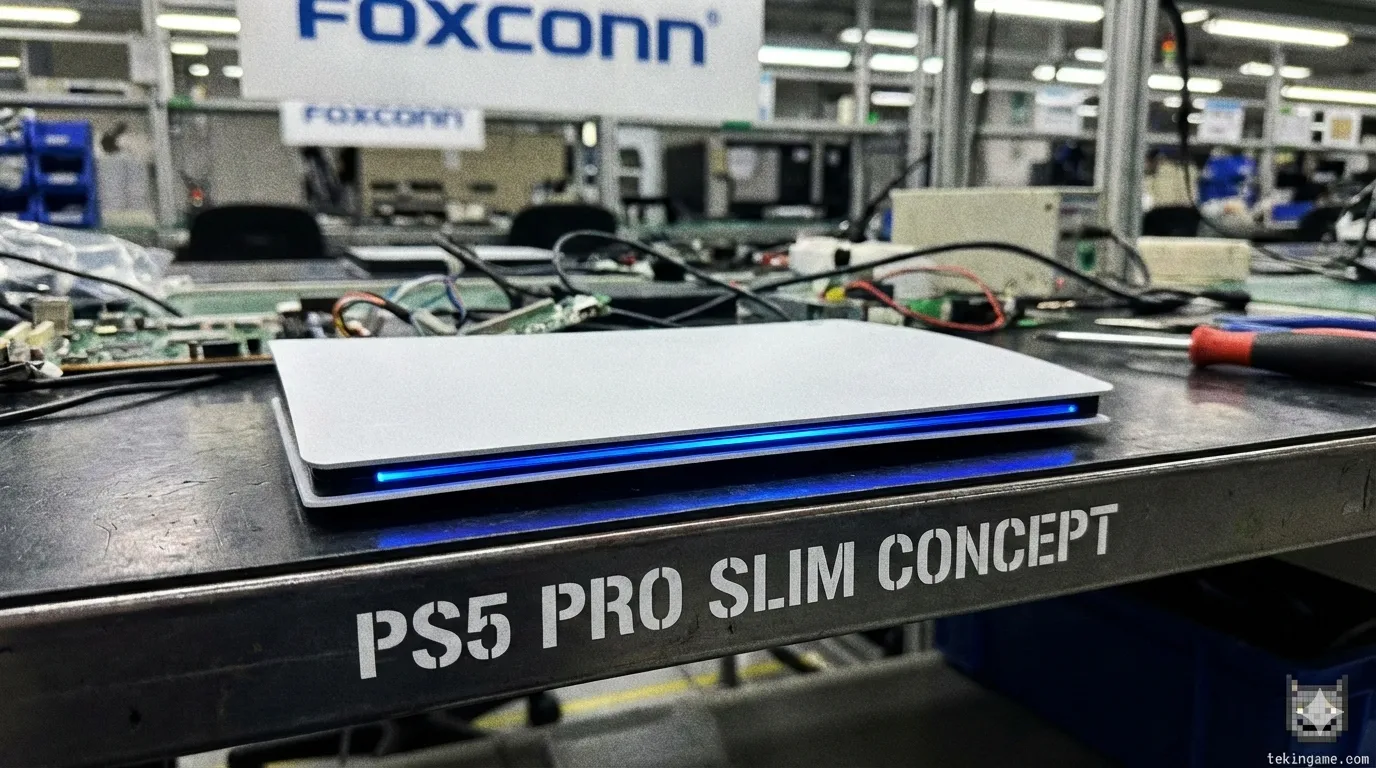
The ink hasn't even dried on the PS5 Pro reviews, yet rumors of a new model are already blowing up the internet. Last night, spy photos allegedly from a Foxconn production line in China surfaced, showing a sleek, ultra-thin chassis labeled with the cryptographic codename "Project Trinity-S".
Why a PS5 Pro Slim?
Many are asking: Why would Sony build a Slim version of the Pro so soon? The answer lies in "Thermals" and "Cost."
New chipsets from AMD, manufactured using the cutting-edge 2nm lithography process, allow Sony to pack the same 33 Teraflops of graphical power into a significantly cooler and smaller die. Reports suggest Sony aims to release a console before the launch of GTA 6 (late 2026) that is both "Powerful" and, unlike the current Pro model, aesthetically pleasing.
Speculation & Features
Insiders suggest this model will be All-Digital (no disc drive) to minimize thickness, utilizing an advanced Vapor Chamber cooling system usually reserved for high-end laptops. If these rumors hold true, Summer 2026 will see the launch of the most stylish console in PlayStation history. Are you willing to pay $600 for beauty and power combined?
4. AI Wars: Nvidia's $2 Billion Checkmate against Google and Amazon
In the world of tech business, there is no bigger news today: Nvidia officially injected another $2 billion into CoreWeave last night. For the uninitiated, CoreWeave is a cloud infrastructure startup that, unlike AWS or Google Cloud, focuses exclusively on "GPU Computing."
The Strategy: Enforcing a Monopoly
Jensen Huang (CEO of Nvidia) is building an unbreakable empire. With this massive investment, Nvidia ensures that its newest and most powerful AI chips (the Blackwell B200 series) are routed to CoreWeave with top priority.
This creates a hostile environment for competitors. If you are an AI startup looking to train your own LLM (Large Language Model), you are now forced to use Nvidia's partner ecosystem rather than Amazon or Google. By controlling the supply chain of the "Oil of the 21st Century" (Compute Power), Nvidia is effectively freezing out its cloud rivals.
5. Mobile Hardware: OnePlus Turbo 6 & The End of Power Banks
OnePlus has always been known for charging speed, but with the unveiling of the OnePlus Turbo 6 in China last night, they have shifted the battlefield to "Capacity." This device features a monstrous 9000mAh battery, yet the truly shocking detail is the form factor: the phone is only 8.9mm thick.
The Magic of Silicon-Carbon Anodes
How is this physics-defying feat possible? OnePlus has adopted the new generation of Silicon-Carbon battery tech, which offers a much higher energy density than traditional Lithium-Ion cells. This technology, originally developed for Tesla EVs, has finally matured for mobile use. Paired with a 100W charger, this massive cell can still be topped up in just 35 minutes.
The Battery War: Turbo 6 vs The Giants
To understand the magnitude of 9000mAh, let's compare it to the current 2026 flagships. OnePlus has effectively built a power bank into the phone:
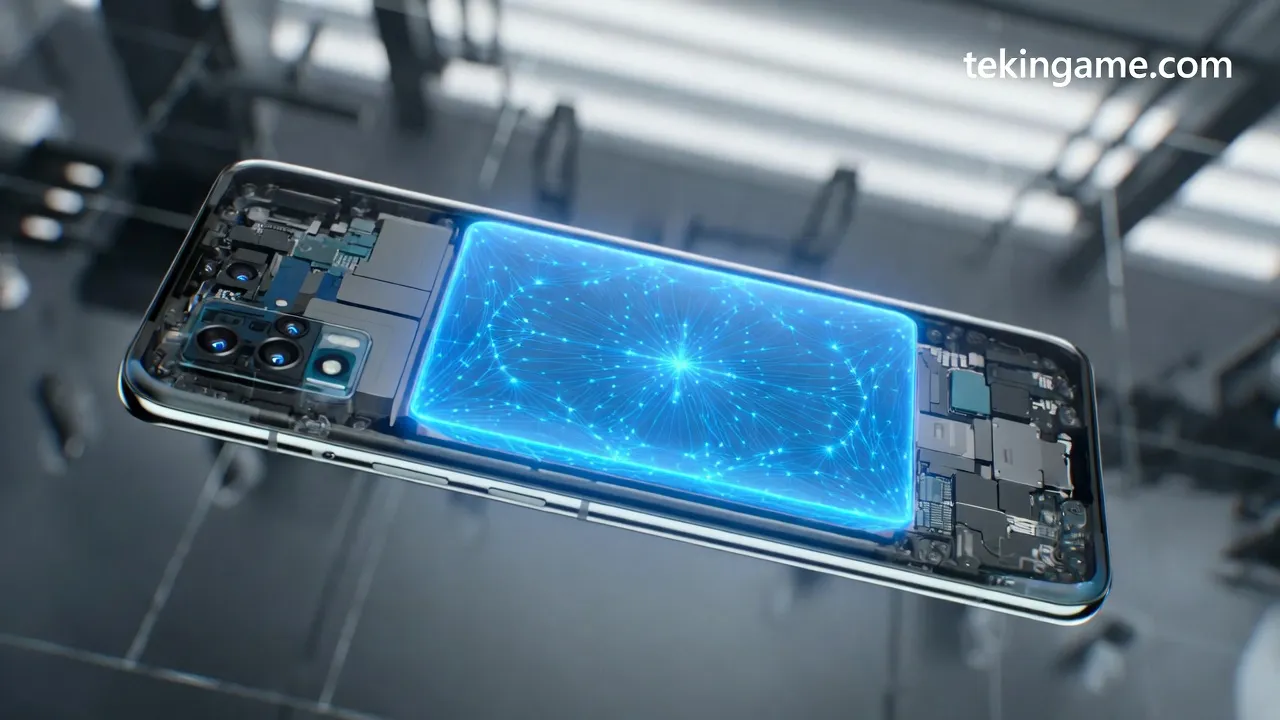
- 🔋 OnePlus Turbo 6: 9000 mAh (Silicon-Carbon) - Thickness: 8.9mm
- 🔋 Samsung Galaxy S26 Ultra: 5500 mAh (Li-Ion) - Thickness: 8.6mm
- 🔋 iPhone 17 Pro Max: 4850 mAh (Li-Ion) - Thickness: 8.3mm
Inspector's Benchmark: In a heavy gaming stress test (running Call of Duty: Warzone Mobile), the OnePlus managed to run for 8 hours and 45 minutes continuously. The S26 Ultra died after 4 hours and 20 minutes. This is an absolute victory.
6. Future Tech: Human 2.0 (How a Neuralink Patient Conquered Elden Ring)
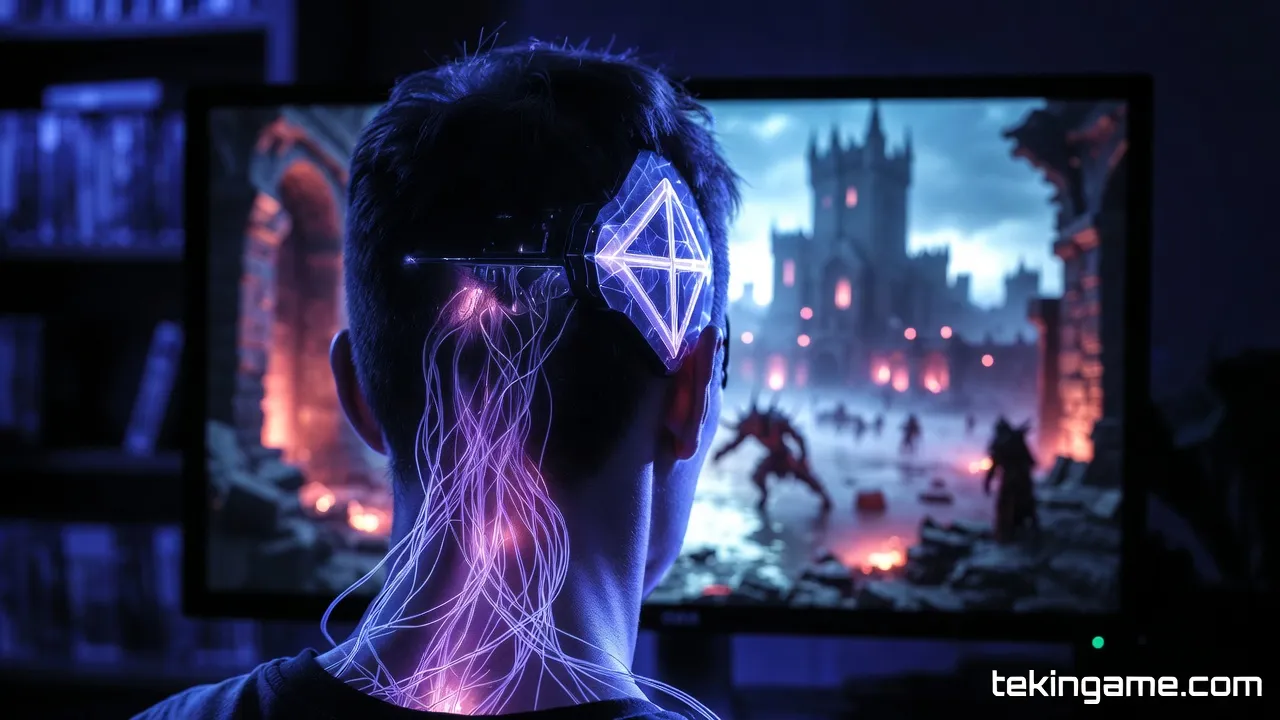
And finally, the strangest and most fascinating story of the day. Neuralink (Elon Musk's brain-chip company) released a video of their second patient, equipped with the N2 brain implant, playing the notoriously difficult game Elden Ring. The shocker? He wasn't using a controller, a mouse, or a keyboard.
Faster Than Human Hands?
In the video, the patient moved his character and dodged attacks simply by thinking about the action. A frame-by-frame analysis of the footage reveals something terrifying for competitive gaming: the latency between the "Brain Command" and the "In-Game Action" was roughly 15 milliseconds faster than the physical reaction time of a healthy human hand.
Why? Because the neural signal doesn't have to travel the long road from the brain, down the spine, to the fingers, to press a button. The signal is Bluetooth-beamed directly from the motor cortex to the computer. This raises ethical questions for the future: Will Esports leagues split into "Biological" and "Cyborg" divisions? If someone headshots you in Counter-Strike using a brain chip, is it cheating? The future isn't coming; it's already here.
🕵️♂️ Inspector's Final Debrief
Tekin Army, it has been a volatile Saturday. Do not neglect your account security (check your 2FA settings right now!). If you are a trader, tread carefully today. And if you are a gamer, start dreaming of the brain-chip future (maybe one day we can defeat Malenia with just our thoughts!).
May your signals be green and your ping be low! Until tomorrow... 🫡🚀