
1. 🕹️ The Nintendo Betrayal: 'Joy-Con Drift' Returns to the Switch 2
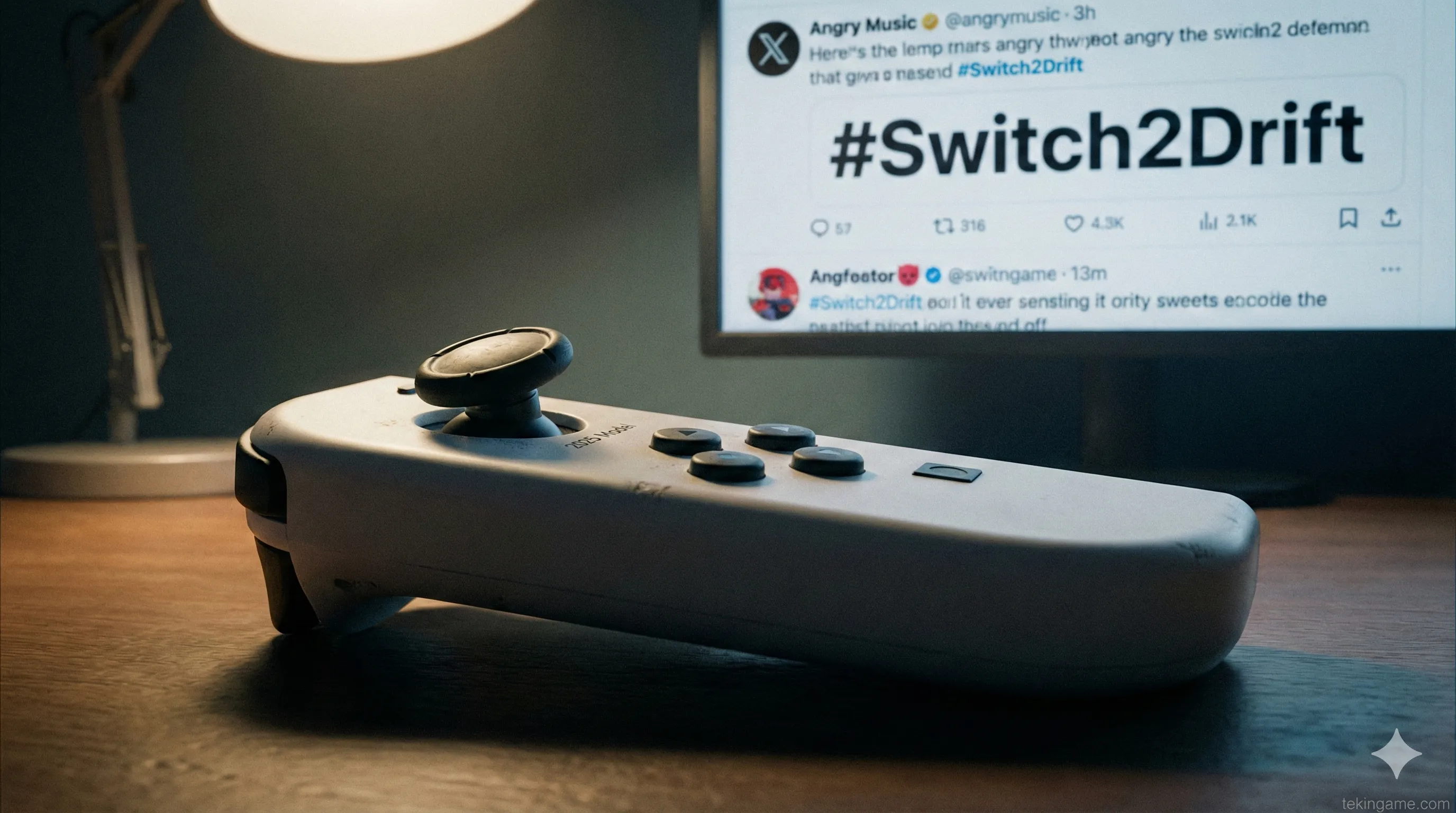
It has been exactly seven months since the Nintendo Switch 2 launched in June 2025. The console was praised for its 4K DLSS upscaling and its robust OLED screen. But as the first wave of hardware hits the half-year mark, a familiar and infuriating problem has resurfaced: The Drift.
The "Hall Effect" Lie?
To understand the anger, we must look at the history. The original Switch (2017) suffered from "Joy-Con Drift," where the analog sticks would register movement even when untouched, caused by the graphite contact pads wearing down.
Prior to the Switch 2 launch, rumors and patents suggested Nintendo would switch to "Hall Effect" sensors. These sensors use magnets to detect position, meaning there is no physical contact between parts, and thus, theoretically, zero wear and tear.
However, a new teardown analysis released last night by iFixit and several hardware YouTubers has revealed a shocking cost-cutting measure. The launch-day Switch 2 Joy-Cons do not use Hall Effect sensors. They use a "refined" potentiometer system. While the materials are more durable than the 2017 model, they are still prone to dust ingress and mechanical wear.
The Community backlash
The hashtag #Switch2Drift is currently trending globally. Users are posting videos of Metroid Prime 4 where Samus Aran walks off ledges automatically.
This is a PR disaster for Nintendo. After facing multiple class-action lawsuits in the EU and US regarding the first console, the decision to stick with potentiometer-based sticks seems like a calculated risk that has backfired. Analysts predict Nintendo may be forced to announce a "Free Repair Program" much earlier in this console's lifecycle than expected.
2. 🤖 Android 17 First Look: 'Neural Hibernation' & The Battery Revolution
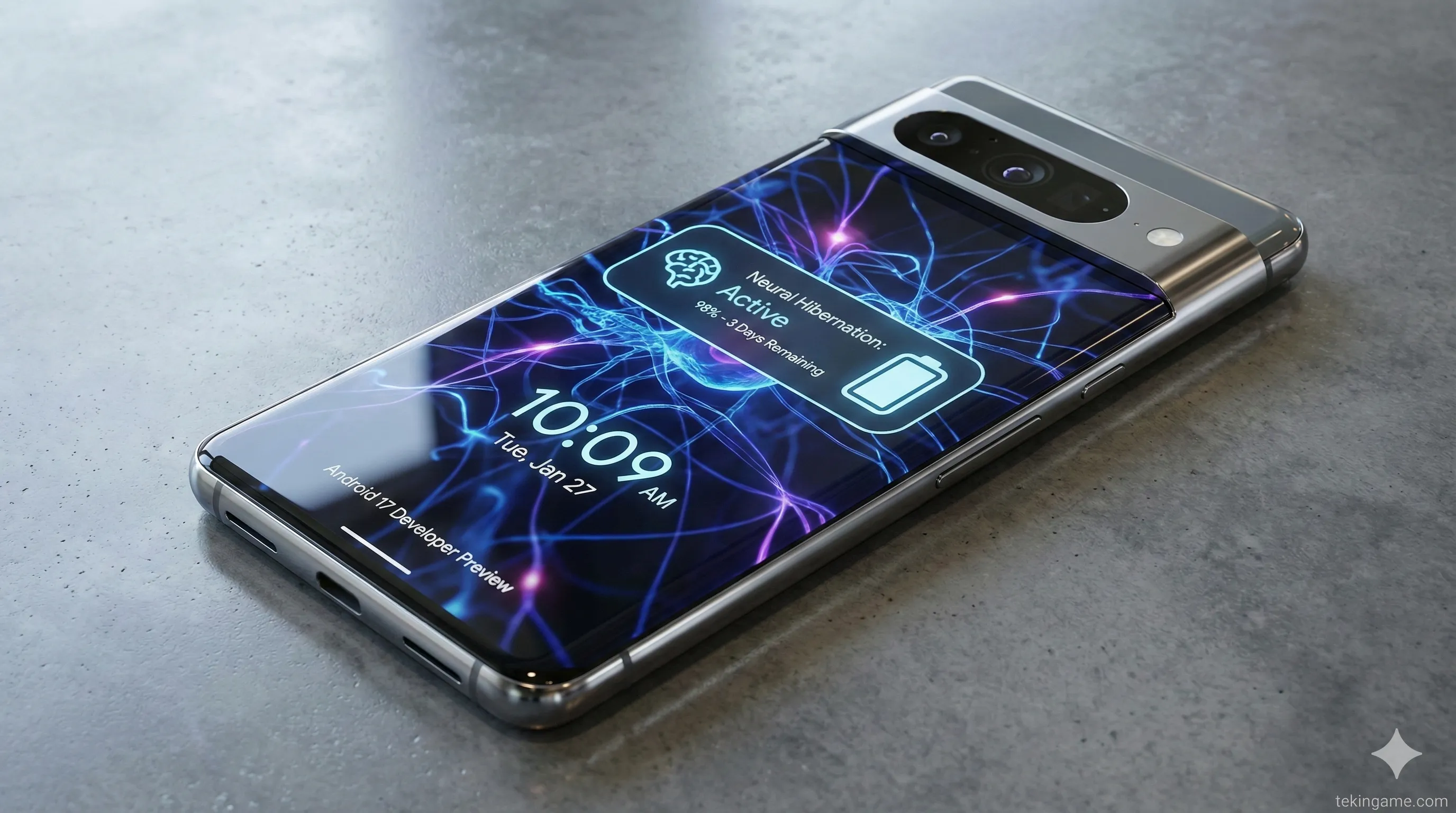
It is late January, which means Google has dropped the first Developer Preview (DP1) for the next generation of its OS: Android 17 (codenamed Wafer).
What is "Neural Hibernation"?
The most revolutionary feature found in the kernel code is a new power state called Neural Hibernation.
Currently, when your phone is in standby (screen off), the main CPU still wakes up frequently to check for notifications, sync emails, and refresh feeds. This "waking up" costs battery life.
In Android 17, Google is offloading these background tasks entirely to the NPU (Neural Processing Unit).
- Modern NPUs are extremely efficient at low-power monitoring.
- The phone's main CPU and GPU go into a "Deep Sleep" state, effectively turning off.
- The NPU acts as a low-power sentry. It only wakes the CPU if something critical (like a call or a high-priority alert) comes in.
3. 💻 Hardware Earthquake: NVIDIA's ARM CPU Benchmarks
The "Wintel" monopoly is officially dead. Following the expiration of Qualcomm's exclusive deal with Microsoft for Windows-on-ARM silicon in late 2025, the floodgates have opened. Last night, we got our first look at NVIDIA's challenger, and it is a monster.
Project "GeForce Cortex"
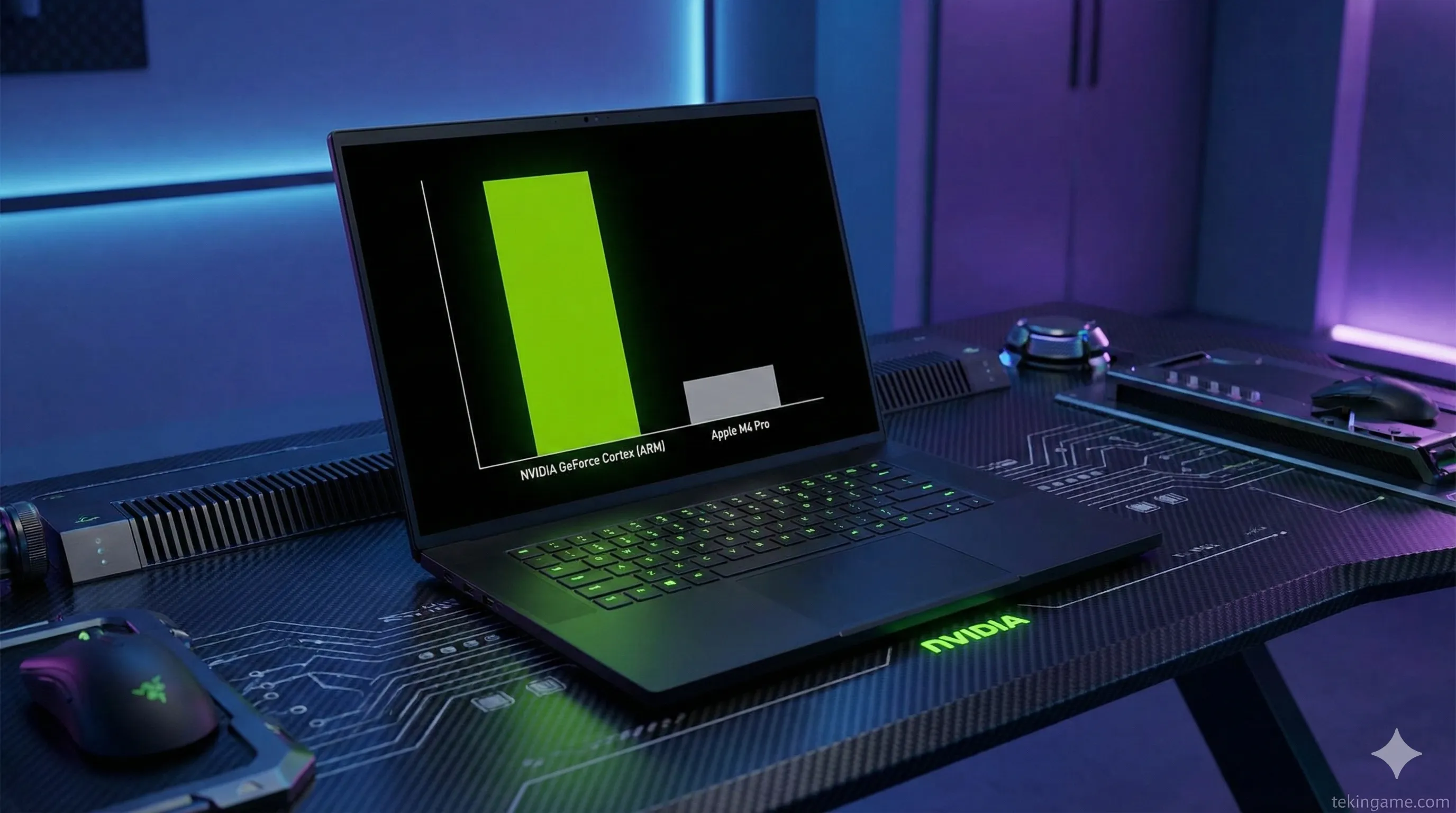
Leaked Geekbench 7 scores for NVIDIA's upcoming consumer CPU have surfaced. This chip utilizes a hybrid architecture: high-performance ARM Cortex-X6 cores paired with NVIDIA's own Blackwell-based iGPU.
The results are terrifying for Apple and Intel:
- Single-Core: Matches the Apple M4 Pro.
- Multi-Core: Beats the Intel Core Ultra 9 (Lunar Lake).
- Graphics (OpenCL): Destroys the Apple M4 Max by a margin of 40%.
Why This Changes Everything
For years, Windows laptops were "second class citizens" compared to MacBooks regarding battery life and efficiency. Qualcomm's Snapdragon X Elite closed the gap, but it lacked raw gaming power.
NVIDIA's chip solves the final puzzle. It promises a thin, fanless laptop that can run Cyberpunk 2077 or GTA VI at high settings without melting your lap. This is the holy grail of mobile computing. Intel's stock dropped 2.4% in after-hours trading as investors realized the x86 architecture might finally be obsolete in the mobile space.
4. 🕶️ Apple's Retreat: The Vision Air Drops 'EyeSight'
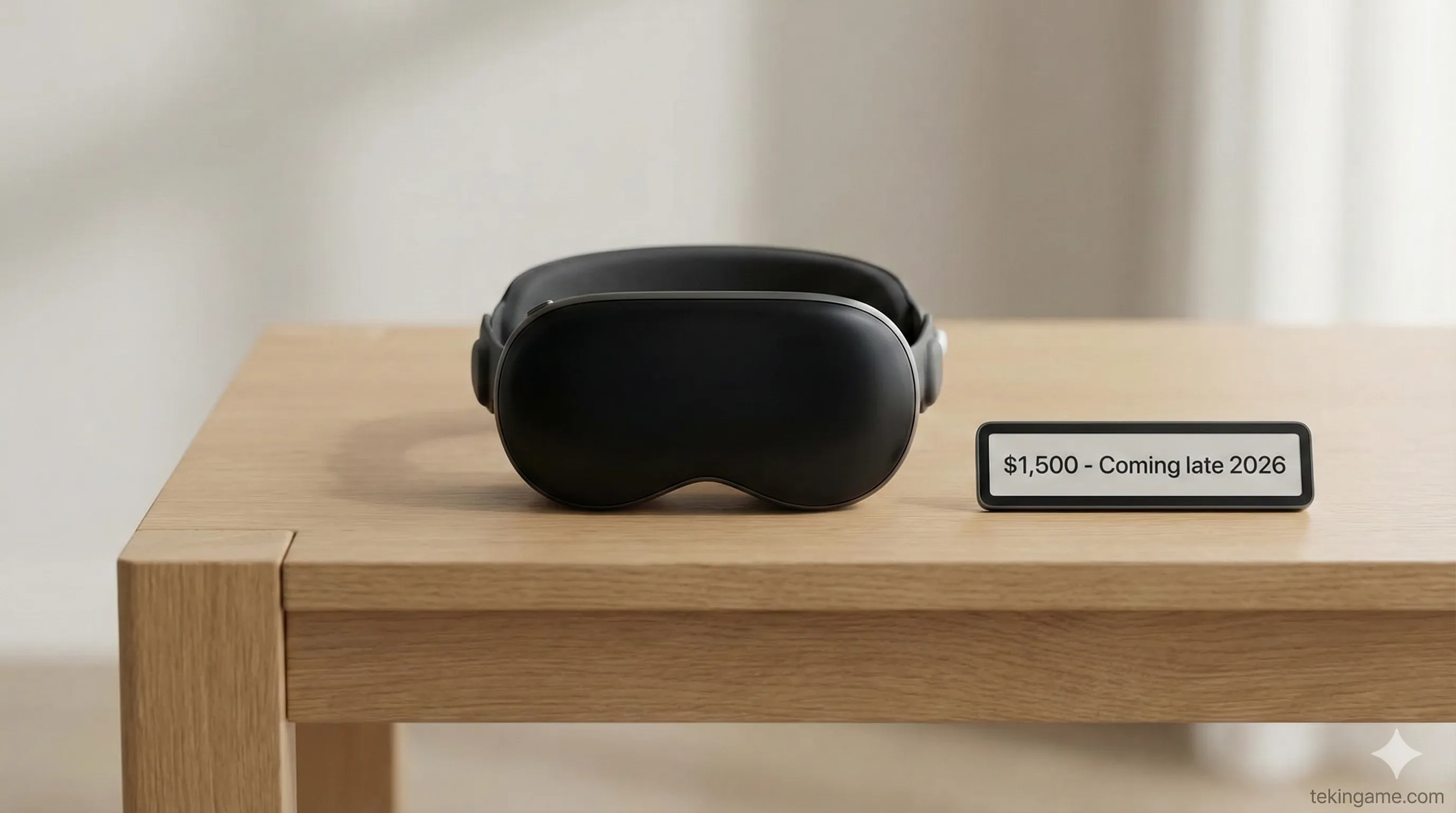
The Apple Vision Pro was a technological marvel, but at $3,500, it remained a niche toy for developers and the wealthy. Mark Gurman at Bloomberg reports that Apple has finalized the specs for the mass-market version, the Apple Vision Air, targeting a late 2026 release.
The $1,500 Compromise
To hit the target price of $1,500 (still expensive, but comparable to a high-end iPhone), Apple has made significant cuts. The most notable casualty is EyeSight.
EyeSight was the external OLED display that showed the user's eyes to the outside world, intended to reduce social isolation. In practice, it added weight, cost, and complexity, while looking uncanny and dim.
By removing this external screen and switching from the M-series chips to the A19 (iPhone) chipset, Apple has reportedly cut the headset's weight by 30%. This signals a pivot in Apple's strategy: they are no longer trying to replace "social interaction"; they are focusing on creating the ultimate personal media and productivity device. The "Vision Air" will be a solitary experience, but a much more comfortable one.
5. 🚀 NASA & SpaceX: Why Artemis III is Delayed to 2028
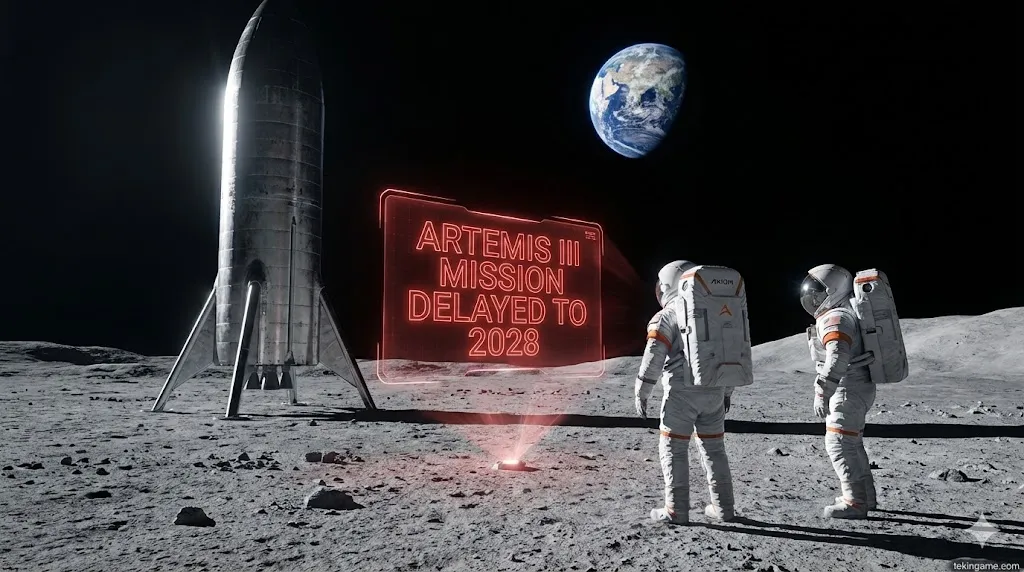
It is the news space enthusiasts dreaded. In a press briefing last night, NASA administrators officially pushed the Artemis III moon landing mission from late 2026 to mid-2028.
The Orbital Refueling Bottleneck
While spacesuits (by Axiom Space) are a concern, the primary bottleneck is physics. Specifically, Orbital Refueling.
To get the massive SpaceX Starship HLS (Human Landing System) to the Moon, it cannot launch directly. It must launch to Low Earth Orbit (LEO), and then wait for approximately 10 to 14 "Tanker Starships" to launch and transfer cryogenic fuel to it.
This involves docking two massive skyscrapers moving at 17,500 mph and transferring super-chilled liquid oxygen and methane without leaks. SpaceX has successfully tested this once, but to do it 14 times in rapid succession requires a launch cadence (frequency) that Boca Chica hasn't reached yet. NASA is playing it safe. They cannot risk stranding astronauts in lunar orbit without a fully fueled lander.
The China Factor
This delay raises the geopolitical stakes. China's ILRS (International Lunar Research Station) program is targeting a 2029/2030 landing. With NASA sliding to 2028, the "race" is now neck-and-neck. If Artemis slips again, the next boots on the Moon might not be American.
6. 🛡️ Red Security Alert: The 'Holographic QR' Phishing Attack
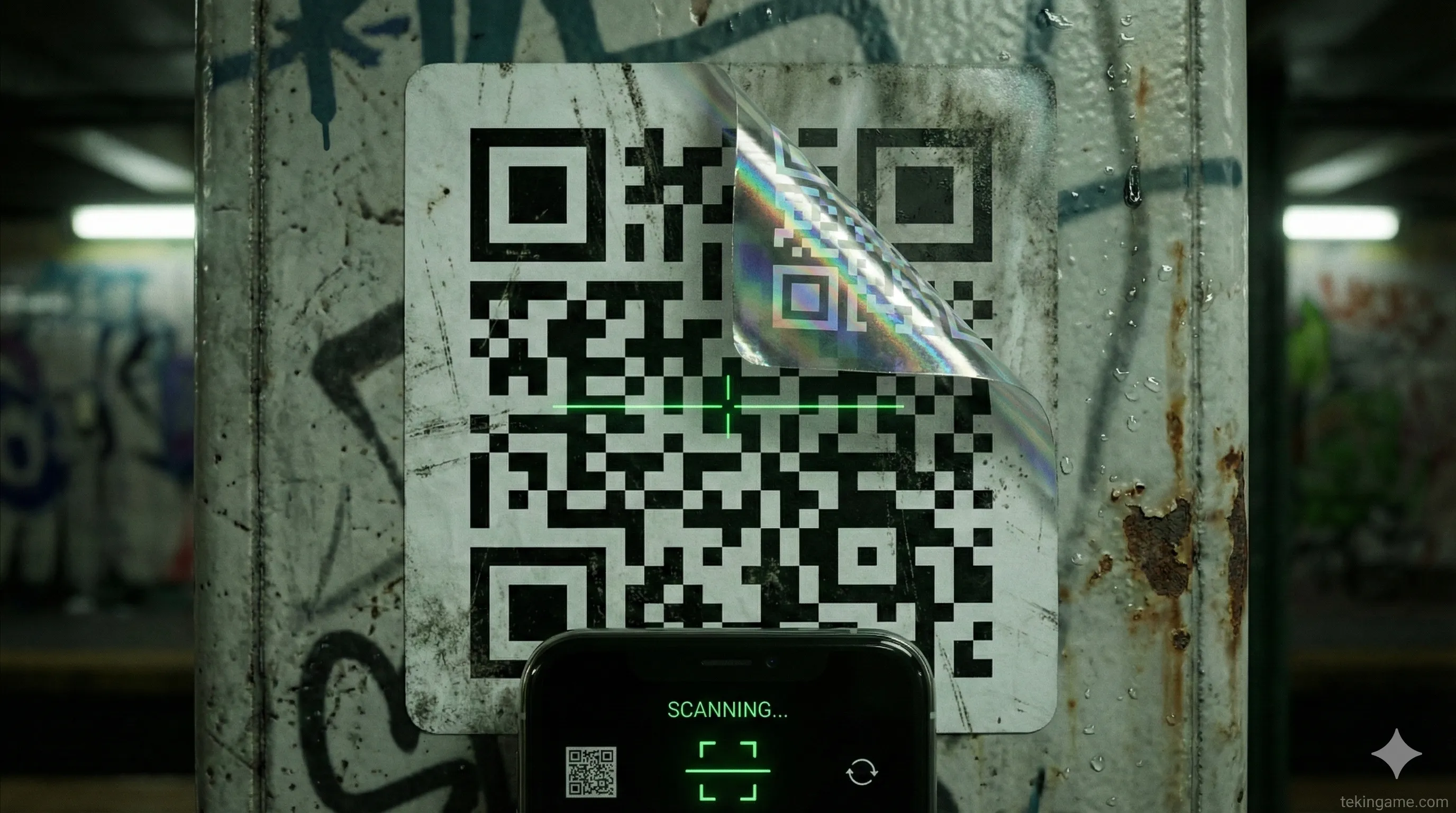
Finally, a real-world warning for our urban commanders. The FBI and Europol have issued a joint advisory regarding a sophisticated new phishing vector appearing in major transit hubs like London, New York, and Tokyo.
The Invisible Overlay
We all know not to scan random stickers. But hackers have evolved. They are now using Transparent Holographic Stickers placed over legitimate QR codes (like those on parking meters or restaurant menus).
To the naked eye, the QR code looks normal. You see the original black-and-white pattern.
However, smartphone cameras rely on contrast. The holographic layer reflects light in a way that the camera sensor reads before it reads the ink underneath. This redirects the user to a spoofed payment site.
- The Trap: You scan a parking meter, a site pops up that looks exactly like the city's payment portal, you enter your credit card or Apple Pay, and your money is siphoned instantly.
- Inspector's Advice: Stop scanning QR codes for payments in public spaces. Use the official app or type the URL manually. The convenience is not worth the risk of a drained bank account.
🗣️ The Tekin Army Open Floor
Today's news was a mix of disappointment and excitement. Which story impacts you the most?
1. Nintendo's Betrayal? (Are you suffering from Drift 2.0?) 😡
2. NVIDIA's Power Play? (Are you ready to ditch Intel?) 💪
3. NASA's Delay? (Will China win the race?) 🌑
Sound off in the comments below. We read every single one! 👇