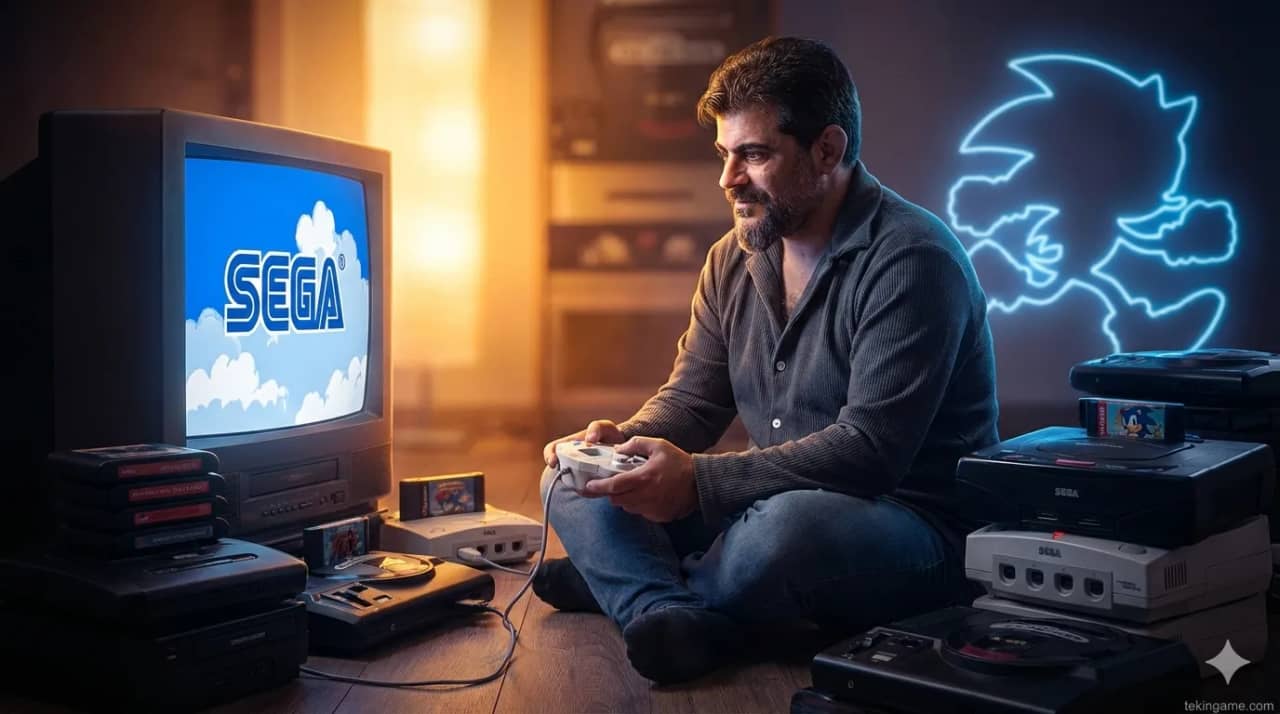
This is more than a history lesson; it's a personal and technical analysis of a gaming legend. We explore SEGA's journey from its 1983 debut to the heartbreaking discontinuation of the Dreamcast in 2001. Join Majid as we relive the era of 'Sega Does What Nintendon't'.
1. Blue Roots: When SEGA was Born in Hawaii
Welcome to a journey into the heart of gaming history. I'm **Majid**, and today we’re exploring the origins of a giant that many assume is purely Japanese. While SEGA is synonymous with Tokyo and Sonic, its roots are firmly planted in American soil. Founded in 1940 as **Service Games** by Raymond Lemaire and Richard Stewart in Honolulu, Hawaii, the company’s original mission was to provide coin-operated games to American soldiers at military bases. The name SEGA is, in fact, an abbreviation of 'Service Games.'
In 1951, due to legal restrictions in the U.S., the company moved to Tokyo to supply slot machines and jukeboxes to military bases there. This move marked SEGA's first entry into the Land of the Rising Sun. Following a merger with Rosen Enterprises in 1965, SEGA officially entered the Japanese arcade market. David Rosen, an American entrepreneur, pioneered the 'Game Center' concept in Japan by importing second-hand games. This era represents the 'Pre-Console SEGA,' where American ingenuity and Japanese discipline fused to create a force that would dominate our childhoods for decades.
2. The Arcade Kingdom: Yu Suzuki and the Super Scaler Revolution
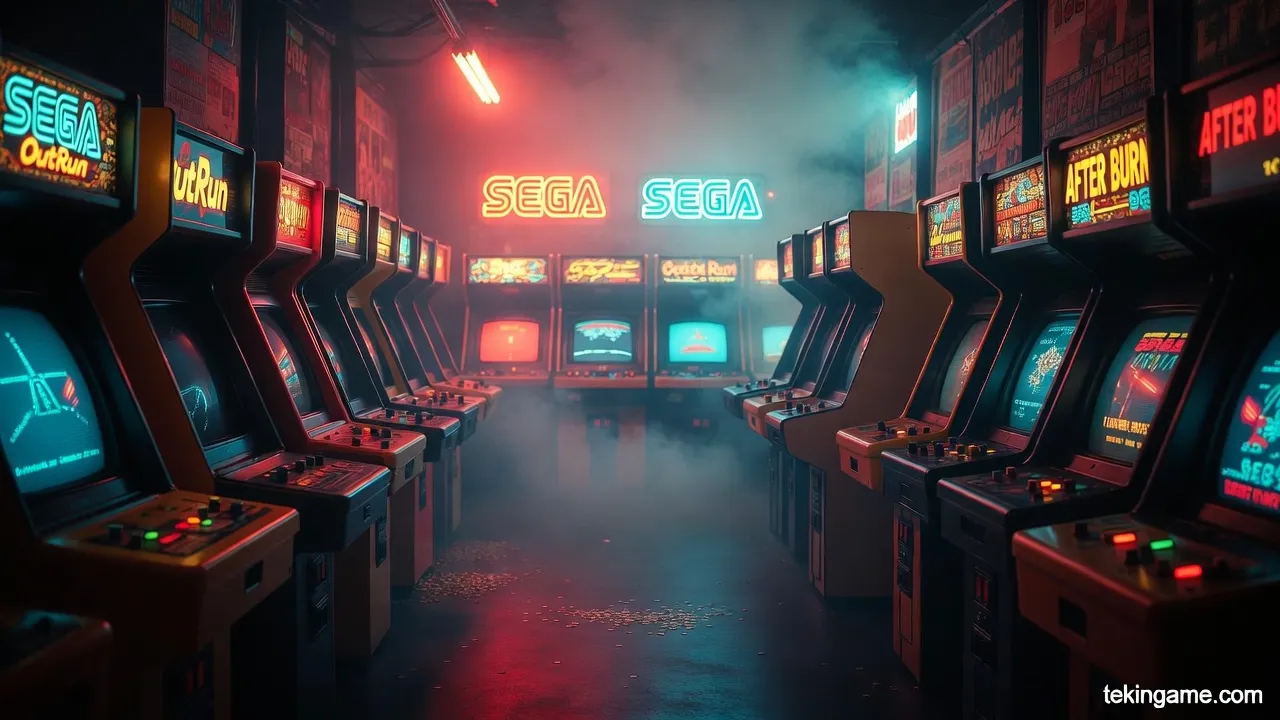
The 70s and 80s were SEGA's era of absolute dominance in arcades. While Nintendo was still experimenting with electronic handhelds, SEGA was setting global standards with titles like **Periscope** (1966), widely considered the first modern electromechanical game. However, the true revolution occurred when a visionary named **Yu Suzuki** joined the ranks. Suzuki's engineering brilliance gave birth to **Super Scaler** technology—a breakthrough that allowed 2D sprites to scale at incredible speeds, creating a stunning illusion of 3D depth.
Masterpieces like **Hang-On**, **Out Run**, and **After Burner** weren't just games; they were engineering marvels featuring motion-controlled cabinets that immersed players like never before. During this time, SEGA was the 'Undisputed King of the Arcade.' Anyone who stepped into an amusement center in the 80s remembers the roar of the Out Run engine or the sheer adrenaline of After Burner. SEGA proved it had no rival in delivering raw, visceral excitement. This arcade prestige gave SEGA the confidence to launch a direct assault on Nintendo’s home turf.
3. Master System: The 8-Bit Gamble Against the NES Empire
Recognizing the future of gaming was in the living room, SEGA launched its first serious contender: the **Sega Master System**. Technically, the Master System was vastly superior to Nintendo's NES—featuring a larger color palette, better sound, and more processing power. However, Nintendo's aggressive exclusivity deals forced many third-party developers to ignore SEGA entirely.
While the Master System struggled in Japan and North America, it became a legendary success in Europe and Brazil. In fact, SEGA remains a cultural icon in Brazil to this day! The Master System taught SEGA a harsh lesson: superior hardware cannot win without compelling content. But from this struggle, SEGA learned the most important rule of the game: to beat Nintendo, you needed more than power—you needed 'Attitude.'
4. Genesis Does: The 16-Bit Superwar and the Birth of Sonic
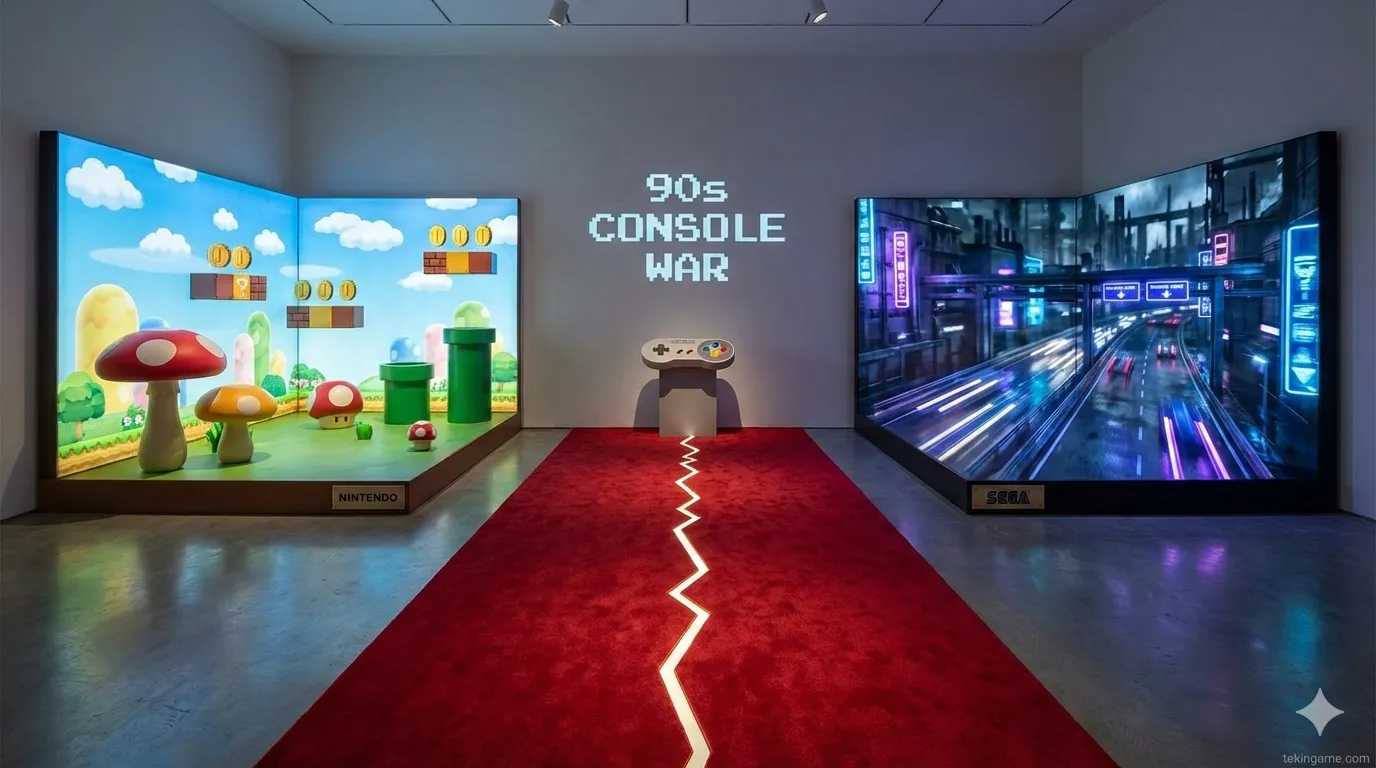
The 90s were the ultimate battlefield. SEGA entered the market with the ruthless slogan **'Genesis Does What Nintendon't.'** Armed with a Motorola 68000 processor, the 16-bit Genesis (Mega Drive) possessed speed that Nintendo’s SNES could only dream of. But SEGA needed a mascot to challenge Mario’s throne.
In 1991, **Sonic the Hedgehog** was born. Sonic wasn't just a character; he was a symbol of rebellion, speed, and the MTV generation. While Mario navigated colorful, whimsical worlds, Sonic zipped through stages with rock-and-roll attitude. Led by marketing genius Tom Kalinske in the U.S., SEGA managed to capture 50% of the market share—the only time in history a competitor truly brought Nintendo to its knees in global sales. In the early 90s, SEGA was the undisputed emblem of 'Coolness.'
5. Strategic Overreach: The CD, 32X, and the Pride of Blue
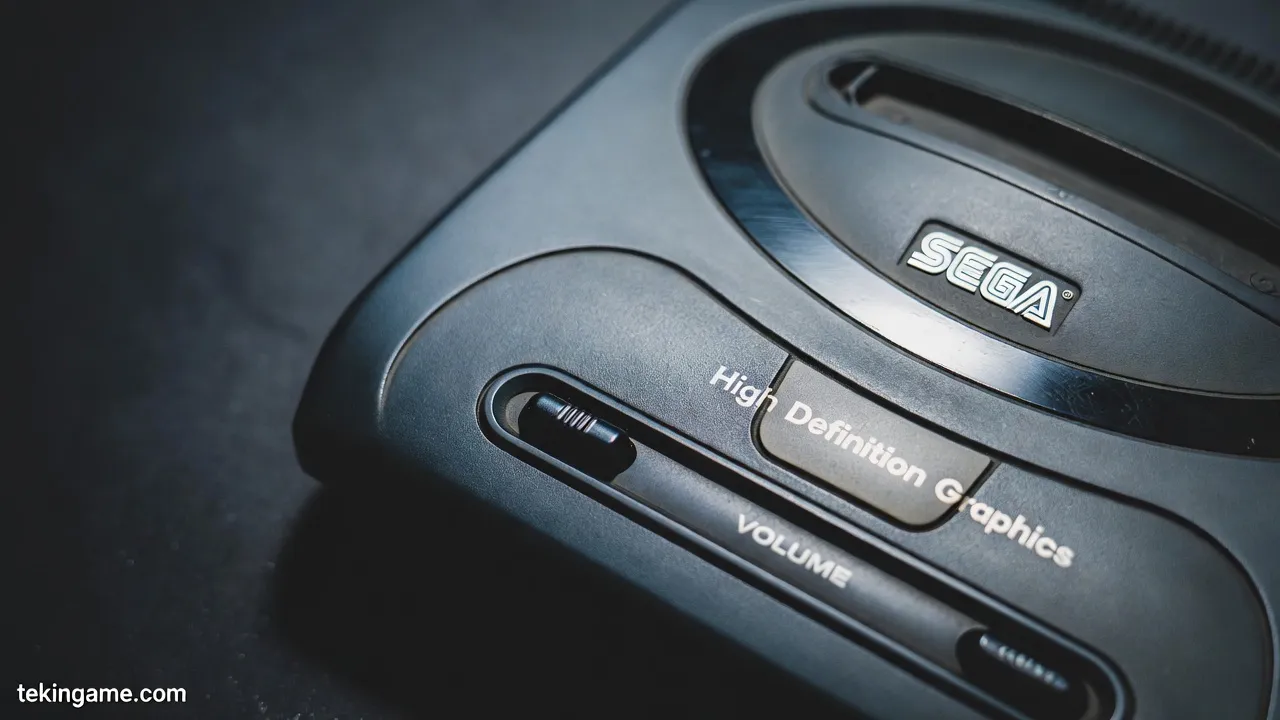
The massive success of the Genesis led SEGA into a state of corporate hubris. Instead of focusing on a true next-gen successor, SEGA began releasing hardware expansions to prolong the life of the Genesis. The **Sega CD** and **32X** were catastrophic strategic errors. They were over-engineered, expensive, and a nightmare for developers.
This fragmentation of resources between SEGA of Japan and SEGA of America led to a massive waste of human and financial capital. While one team was pushing the 32X, others were already developing the Saturn. SEGA was essentially competing with itself. Gamers were confused, and brand loyalty began to evaporate. This era serves as a cautionary tale for all tech giants: never lose focus on your core product.
6. The Saturn Paradox: A 2D King in a 3D World
The Sega Saturn was a console designed to be the ultimate 2D machine. With its dual-CPU architecture, it was peerless in rendering complex sprites. However, the world shifted overnight when Sony’s PlayStation arrived, prioritizing 3D polygons above all else.
The Saturn’s complex architecture made it notoriously difficult to program for. Despite this, it hosted some of the greatest fighting games (like Virtua Fighter 2) and cult-classic RPGs. While successful in Japan, the Saturn was isolated in the West by Sony’s marketing machine and the ease of development on PlayStation. In this era, SEGA lost its identity, stuck between its 2D legacy and the new 3D reality.

7. Dreamcast: The Beautiful Dream that Ended Too Soon
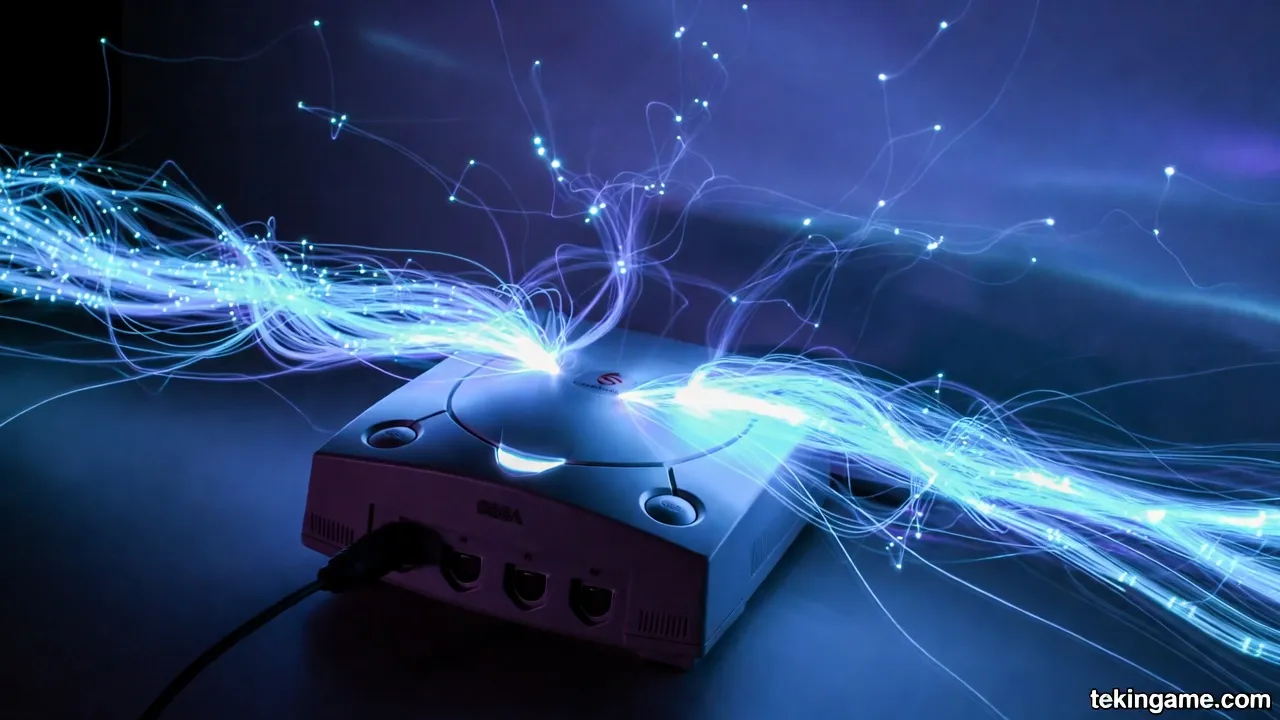
In 1998, SEGA fired its final shot: the **Sega Dreamcast**. It was an engineering masterpiece. The first console with a built-in modem for online play, it delivered graphics that seemed impossible at the time. Games like **Shenmue** and **Sonic Adventure** pushed video games into a new era of cinematic storytelling.
However, the looming shadow of the PlayStation 2 and its built-in DVD player, combined with SEGA’s dire financial situation from previous failures, doomed the console. On January 31, 2001, SEGA officially announced it was exiting the hardware business. That day, the hearts of millions of gamers broke. The company that had challenged Nintendo was now forced to publish its iconic games for rival consoles. Seeing Sonic on a Nintendo system felt like a flag of surrender.
8. The Software Renaissance: SEGA Reborn
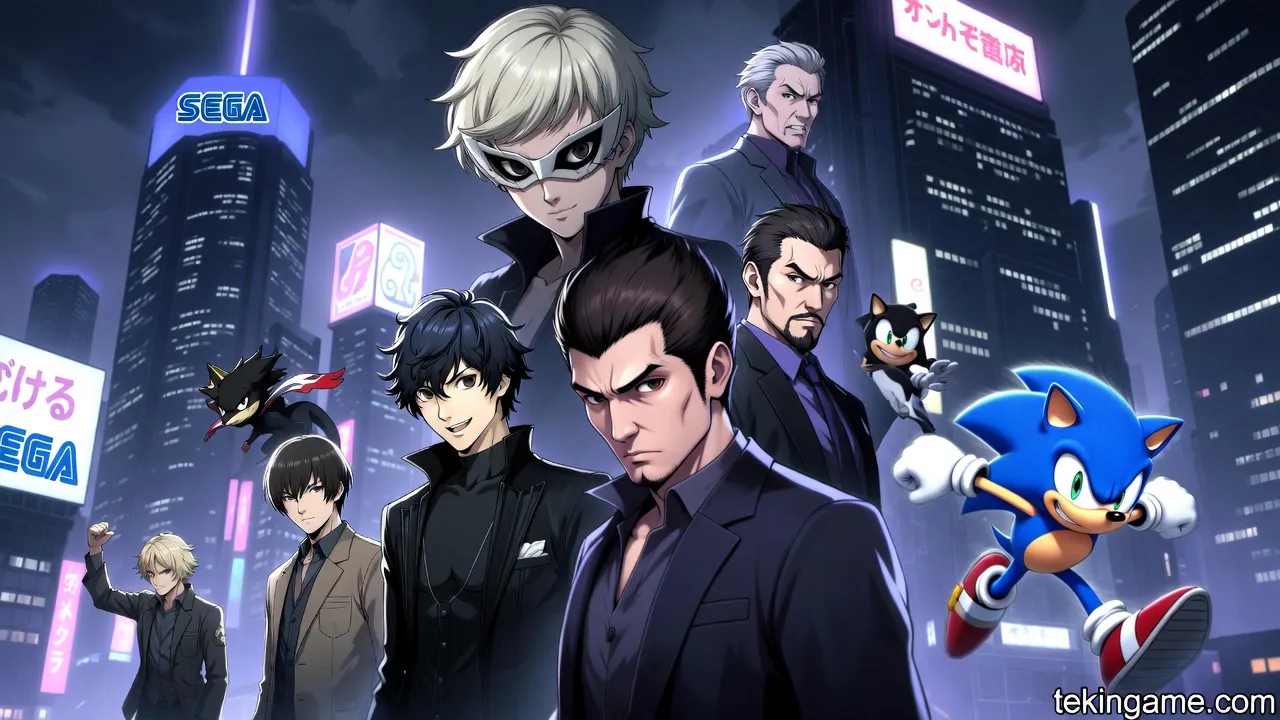
Many expected SEGA to fade away, but what followed was a stunning renaissance. By acquiring major studios like **Atlus** (Persona series) and **Creative Assembly** (Total War), SEGA transformed into one of the world's premier publishers.
The phenomenon of **Like a Dragon (Yakuza)** proved that SEGA could still create deep, vibrant worlds and compelling narratives. Today, SEGA focuses on high-quality content across diverse markets. They learned that if they couldn't build the 'Gaming Table,' they had to be the best 'Players.' Currently, SEGA’s IPs cover everything from hardcore RPGs to casual hits, and their profitability has recently reached record highs.
9. 2026 and Beyond: The 'Super Game' Project and AGI
Now in 2026, SEGA is working on its ambitious **Super Game** project—an interconnected ecosystem leveraging cloud technology and Artificial Intelligence. SEGA aims to use its massive library of legacy IPs to create experiences where gamers aren't just players, but part of an AI-driven living world. The revival of classic franchises like Jet Set Radio and Crazy Taxi with modern standards shows that SEGA has returned to its 'Cool' roots.
SEGA’s story is one of perseverance, failure, and ultimate resurrection. They taught us that even if you lose the battle on the battlefield, a creative spirit will always find a way back home.
Written by: Majid - Gaming Historian and SEGA Enthusiast